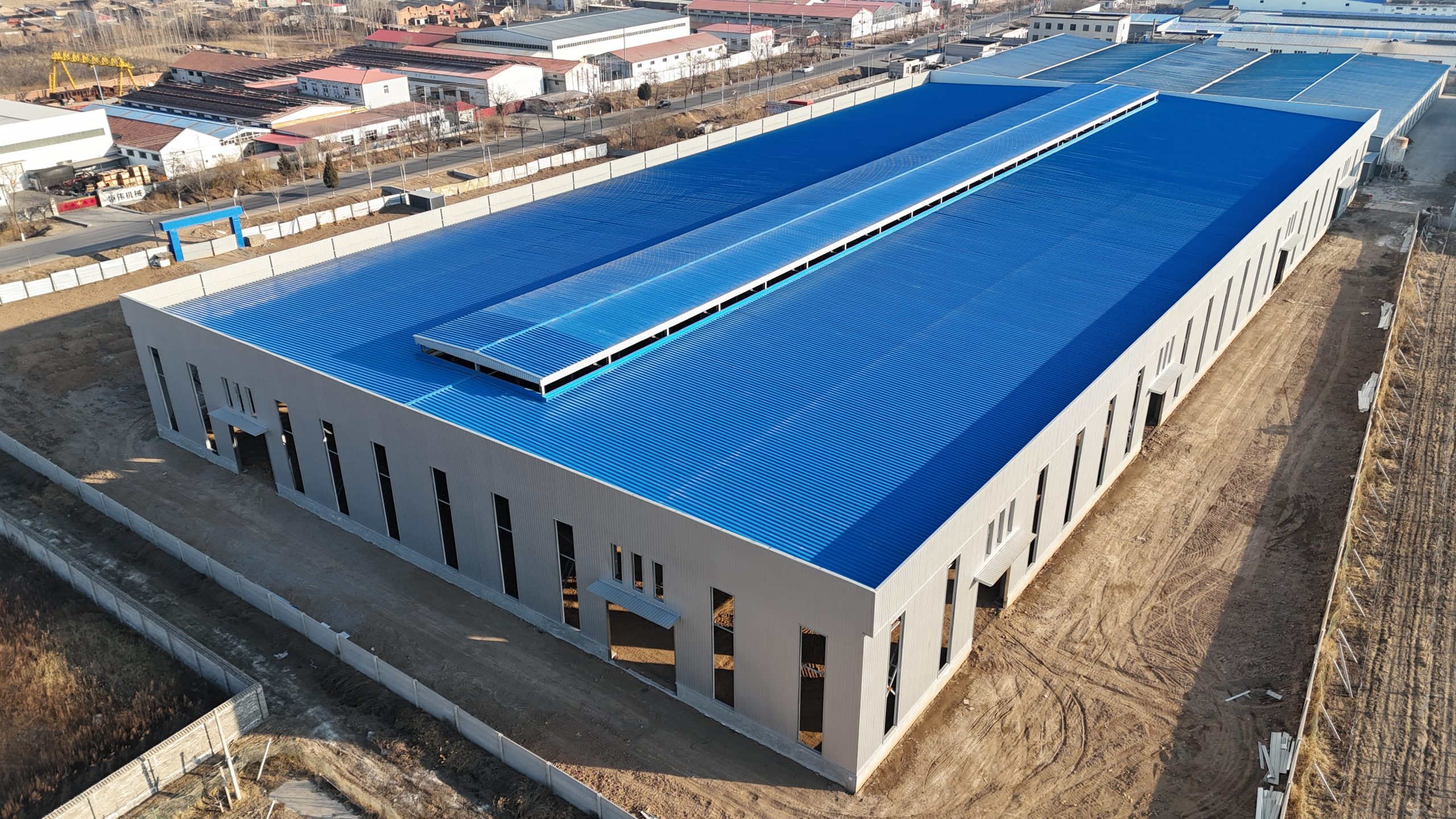
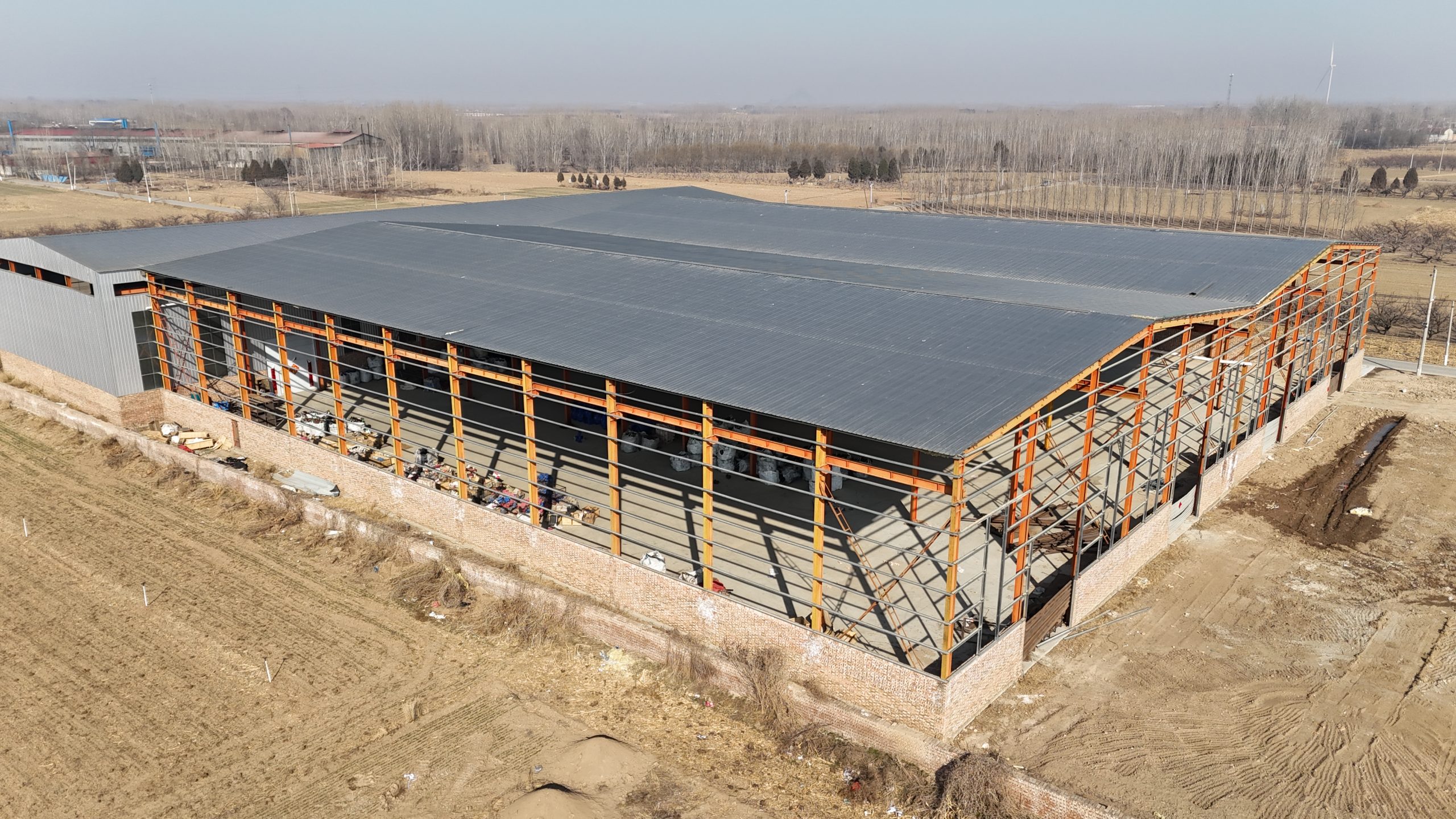
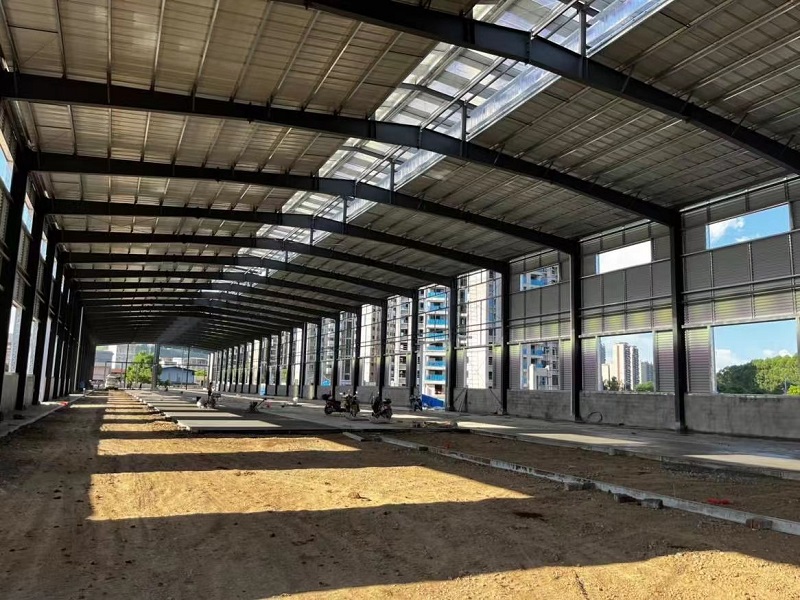
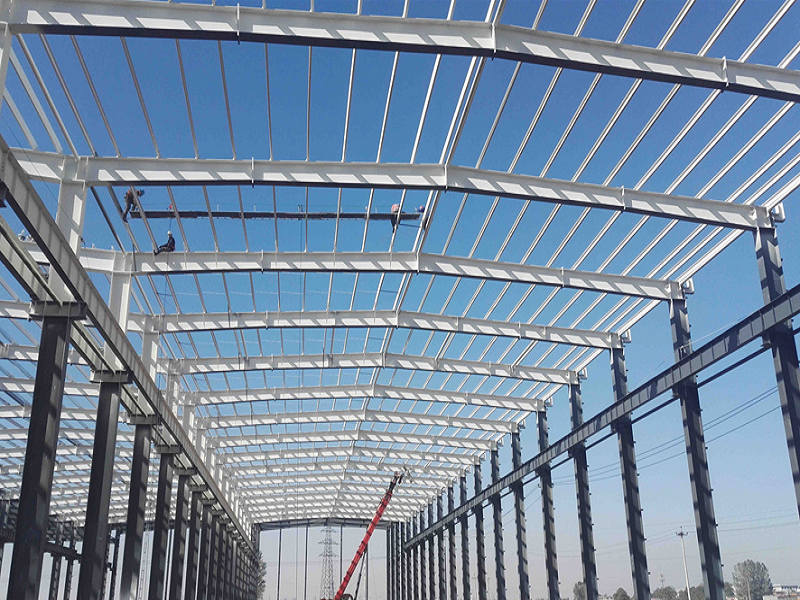
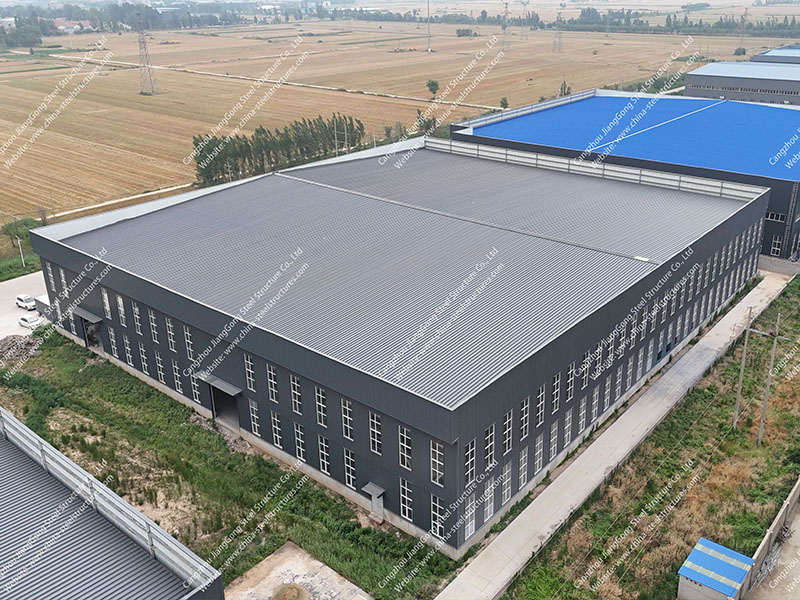
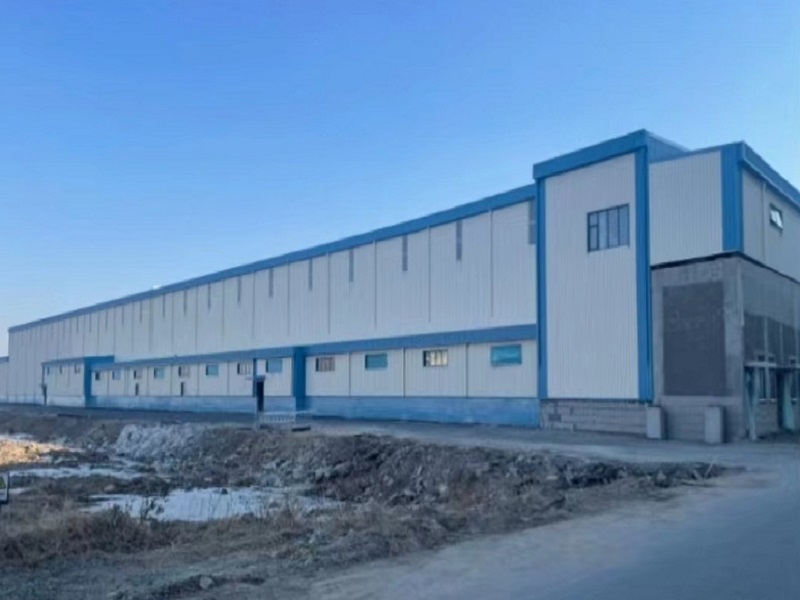
A steel structure mining building has to do what few other buildings do: go up fast in a remote location, carry heavy equipment and material, and survive a harsh, corrosive, often high-seismic environment for years. That’s exactly why steel dominates mine-site construction — it ships to the middle of nowhere in containers, erects quickly with local crews, spans wide for equipment and stockpiles, and can be engineered for the toughest climates and earthquake zones. This guide covers the types of mining buildings, why steel suits them, and what to consider for a mine site. To see the base buildings, browse our steel warehouse and workshop buildings, and because many mines sit in earthquake country, our guide to seismic steel building design is directly relevant.
Whether you’re building a processing plant in the Andes, a maintenance workshop in the desert or storage at a remote pit, the fundamentals are the same, and budgeting works like any steel building — our steel building cost guide covers that. Let’s look at why mines choose steel.
Steel structure mining building basics at a glance
In short: mines need durable, high-capacity buildings in remote, harsh places, fast — and steel delivers. It flat-packs into containers for shipment to distant sites, erects quickly, spans wide for equipment and stockpiles, carries heavy cranes and machinery, resists corrosion with the right coatings, and can be engineered for seismic and extreme-climate zones. Buildings range from processing plants and storage sheds to workshops, warehouses, conveyor structures and camps. The key is engineering each to the mine’s loads, environment and site conditions. The rest of this guide explains how.
Building for a mine site? Tell us the building type, your location and site conditions and we’ll engineer the steel structure to suit — and quote it in full, usually within 24 hours. Get a mining steel building quote or message us on WhatsApp.
Why mining operations use steel buildings
Mining is capital-intensive and time-sensitive, and mine sites are often the most demanding places to build — remote deserts, high mountains, tropical jungle — far from fabrication yards and skilled labor. Steel answers all of that. Because the structure is fabricated off-site and shipped flat-packed in containers, it reaches remote locations that would be impractical to build conventionally, and it erects quickly by bolting numbered components together, so a mine gets its buildings up and into production sooner. Steel also spans wide without internal columns, which suits the large equipment and open stockpiles a mine handles, and it carries the heavy loads — crushers, mills, cranes, stored material — that mining involves. Just as important, a steel building can be relocated or extended as a mine develops and its needs change, and it stands up to the corrosion and extreme conditions of a working mine when specified correctly. Speed, span, strength, durability and portability are exactly what mining needs, and steel provides them.
Types of steel buildings on a mine site
A mine is really a cluster of buildings, each doing a different job. Most are steel:
| Building / structure | Use | Key feature |
|---|---|---|
| Processing plant | Houses crushers, mills and flotation | Tall, carries heavy dynamic loads |
| Storage shed / stockpile cover | Bulk ore, concentrate and materials | Very large clear span |
| Warehouse | Spare parts and consumables | Secure, dry storage |
| Workshop / truck shop | Maintaining heavy equipment and trucks | Heavy overhead cranes, high eaves |
| Conveyor gallery / transfer tower | Supports conveyor systems | Structural steel over long spans |
| Camp, offices & control rooms | Worker housing and administration | Fast to build, comfortable, modular |
The heaviest engineering goes into the processing plant and the maintenance shops, which carry dynamic equipment loads and heavy cranes; the largest spans go into storage and stockpile covers; and the rest are variations on the warehouse, workshop and accommodation buildings steel is already ideal for.
Design considerations for mine sites
Designing a steel structure mining building means engineering for conditions most buildings never face. These are the factors that shape the design:
| Consideration | Why it matters for mining |
|---|---|
| Corrosion protection | Dust, process chemicals, humidity and coastal air attack steel |
| Heavy & dynamic loads | Equipment, cranes and vibration demand a robust frame |
| Large clear spans | Equipment and stockpiles need column-free space |
| Remote logistics | Buildings must ship in containers and erect fast on site |
| Seismic & climate | The Andes and other zones bring earthquakes, snow, wind and heat |
| Expandability | Mines change; buildings may need to grow or relocate |
No two mine sites are the same, so each building is engineered to its own combination of these. Get them right up front and the buildings serve the whole life of the mine; underestimate any of them and you pay for it in corrosion, downtime or costly modifications later.
Building for remote and harsh locations
The remoteness of mine sites is where steel’s prefabricated nature pays off most. Everything is cut, drilled, coated and numbered in the factory, then flat-packed into shipping containers and sent to the nearest port, from where it’s trucked to site. On site, there’s no heavy fabrication — a crew simply bolts the labelled components together, which means the building goes up fast even where skilled trades are scarce. This matters enormously at a mine, where every week of delay is expensive and conventional construction may be impractical. It also means the same building can be dismantled and relocated, or extended with additional bays, as the mine plan evolves — useful when operations have a defined life or shift over time. For remote, logistics-constrained projects, a prefabricated steel building is often the only sensible way to build.
Corrosion and durability in mining environments
Mines are hard on steel, so corrosion protection is a central design decision. Airborne dust, process chemicals and reagents, high humidity, and salt air at coastal ports all accelerate corrosion, and a building that isn’t protected for its environment won’t last. The answer is matching the coating to the conditions: hot-dip galvanizing for strong, long-lasting protection, heavy-duty paint or coating systems for chemically aggressive areas, or a duplex system combining both for the harshest exposures. Detailing matters too — avoiding water and dust traps where corrosion starts. Specified correctly, a steel mining building resists its environment for decades with modest maintenance; specified as if it were an ordinary inland warehouse, it corrodes far too soon. This is why we ask about the specific environment — the minerals processed, the chemicals used, the climate and the distance to the coast — before recommending a protection system.
Seismic and climate design for mining
Many of the world’s great mining regions are also demanding for structural design. The Andes — Peru, Chile and beyond — combine some of the world’s richest deposits with very high seismic activity and high-altitude cold, snow and wind; desert mines face extreme heat and dust; tropical mines face heat and humidity. A mining building in these places must be engineered to the site’s seismic hazard and climate loads, not a generic standard: the frame, connections and anchorage are sized for the local earthquake, wind and snow, and the envelope for the temperature. This is exactly where a strong, ductile, precisely-engineered steel structure excels — it can be designed for extreme combined loads while staying light enough to keep seismic forces manageable. The essential step for a buyer is to give the exact location and site conditions so the building is engineered for them.
Mining regions where steel is the standard
Steel is the default for mine buildings across the world’s major mining regions, and several of them are markets we ship to regularly. Latin America is a prime example: Peru and Chile are among the largest copper producers on earth, with mines high in the Andes where seismic activity, altitude and cold all demand engineered steel — and Colombia, Bolivia and Mexico add coal, gold and more. Africa’s mining belt, from copper and cobalt to gold and iron ore, is another, often in remote interior sites reached only by long overland hauls from port. Southeast Asia and the Pacific add nickel, coal and gold, frequently in tropical, humid conditions. What these regions share is exactly what a steel structure mining building is built for: remote access, harsh environments and demanding loads. Shipping an engineered, pre-coated steel structure to the nearest port and trucking it in is, for most of these sites, the practical way to build.
Steel vs. concrete for mining buildings
Concrete has a role at a mine — foundations, heavy equipment plinths, some retaining and containment structures — but for the buildings themselves, steel is usually the better choice. Steel builds far faster, which matters when a mine is racing to production; it ships to remote sites in containers, where batching and pouring large volumes of quality concrete can be difficult; it spans wide without columns for equipment and stockpiles; and its ductility and light weight suit the high-seismic zones many mines occupy. Concrete is heavy, slow to build, and dependent on local materials and skilled labor that remote sites often lack. In practice, most mines use both in their proper places: concrete for foundations and specific heavy-duty elements, and steel for the plants, workshops, warehouses and covers — the structures that make up the bulk of a mine site.
Why source mining buildings from China
For large mining structures, sourcing the steel factory-direct from China lowers the biggest predictable cost. A high-volume steel fabrication industry produces engineered frames at a competitive price per ton — and mining buildings involve a lot of tonnage — then ships them flat-packed to mining ports worldwide. Operators combine that low structure cost with local foundation, erection and equipment, and land complete buildings below a fully local build. The frame is engineered to the mine’s seismic, climate and load requirements before it ships, and coated for the environment, so what arrives is ready to erect. Plan for freight, lead time and customs; for the scale of most mining projects, the structure saving comfortably outweighs them.
What buyers should consider
- Give the exact location and site conditions. They set the seismic, wind, snow and climate design — essential for a mine site.
- Describe the environment. Minerals, chemicals, humidity and distance to the coast decide the corrosion protection.
- Specify loads and equipment. Cranes, machinery and stored material determine the frame and crane support.
- Plan for logistics. Confirm the nearest port, container count and access, so delivery and erection are realistic.
- Consider the mine’s life. If buildings may need to expand or relocate, design for it from the start.
Frequently asked questions
Why are steel buildings used in mining?
Because mines need durable, high-capacity buildings in remote, harsh places, fast. Steel ships flat-packed to distant sites, erects quickly, spans wide for equipment and stockpiles, carries heavy loads and cranes, resists corrosion when coated correctly, and can be relocated or extended — matching exactly what mining operations require.
What kinds of buildings does a mine need?
A mine is a cluster of buildings: processing plants housing crushers and mills, storage sheds and stockpile covers, warehouses for spares, maintenance workshops and truck shops with heavy cranes, conveyor galleries and transfer towers, and camp, office and control-room buildings. Most are steel-framed.
How is a mining building protected from corrosion?
By matching the coating to the environment — hot-dip galvanizing for strong protection, heavy-duty coatings for chemically aggressive areas, or a duplex system for the harshest exposures — plus detailing that avoids water and dust traps. The minerals, chemicals, humidity and coastal proximity all guide the choice.
Can steel mining buildings handle earthquakes?
Yes, when engineered to the site’s seismic code. Many major mining regions like the Andes are highly seismic, and a ductile steel frame designed for the local hazard performs very well, staying light enough to keep seismic forces manageable. The building must be engineered for the exact location.
Can buildings be shipped to a remote mine site?
Yes. Steel structures are fabricated off-site, flat-packed into containers, shipped to the nearest port and trucked to site, where they bolt together fast with local crews. This makes steel ideal for remote, logistics-constrained mines where conventional construction is impractical.
Can a mining building be relocated or expanded?
Yes. A bolted steel structure can be extended with additional bays, or dismantled and relocated, as the mine develops or its life ends. Mention any expansion or relocation plans when ordering so the design allows for it.
Do you supply steel buildings for mining operations?
Yes. We fabricate and ship steel structures for mining — processing plants, workshops, storage, warehouses and more — engineered to your loads, seismic hazard and climate, and coated for your environment. Tell us the building, location and conditions and we’ll design and quote it.
The bottom line
A steel structure mining building is built for the hardest conditions in construction: remote sites, heavy loads, corrosive environments and high-seismic, extreme-climate zones. Steel handles all of it — shipping flat-packed to distant mines, erecting fast, spanning wide, carrying heavy equipment, resisting corrosion when coated correctly, and engineered for the local seismic and climate loads. From processing plants to workshops, storage and camps, steel is the material that keeps a mine building. Tell us your building type, location and site conditions, and we’ll engineer the structure for your mine and quote it in full.