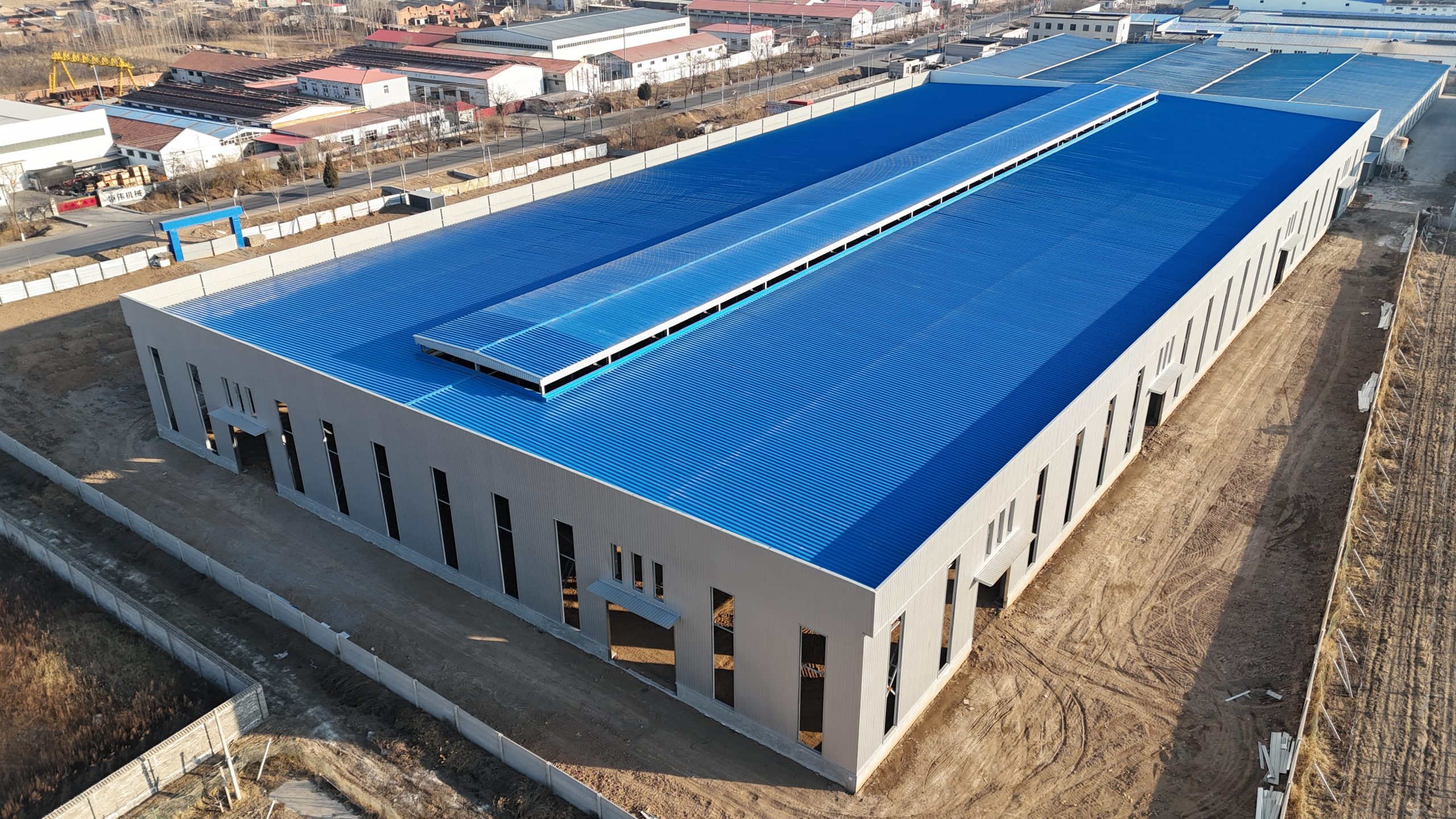
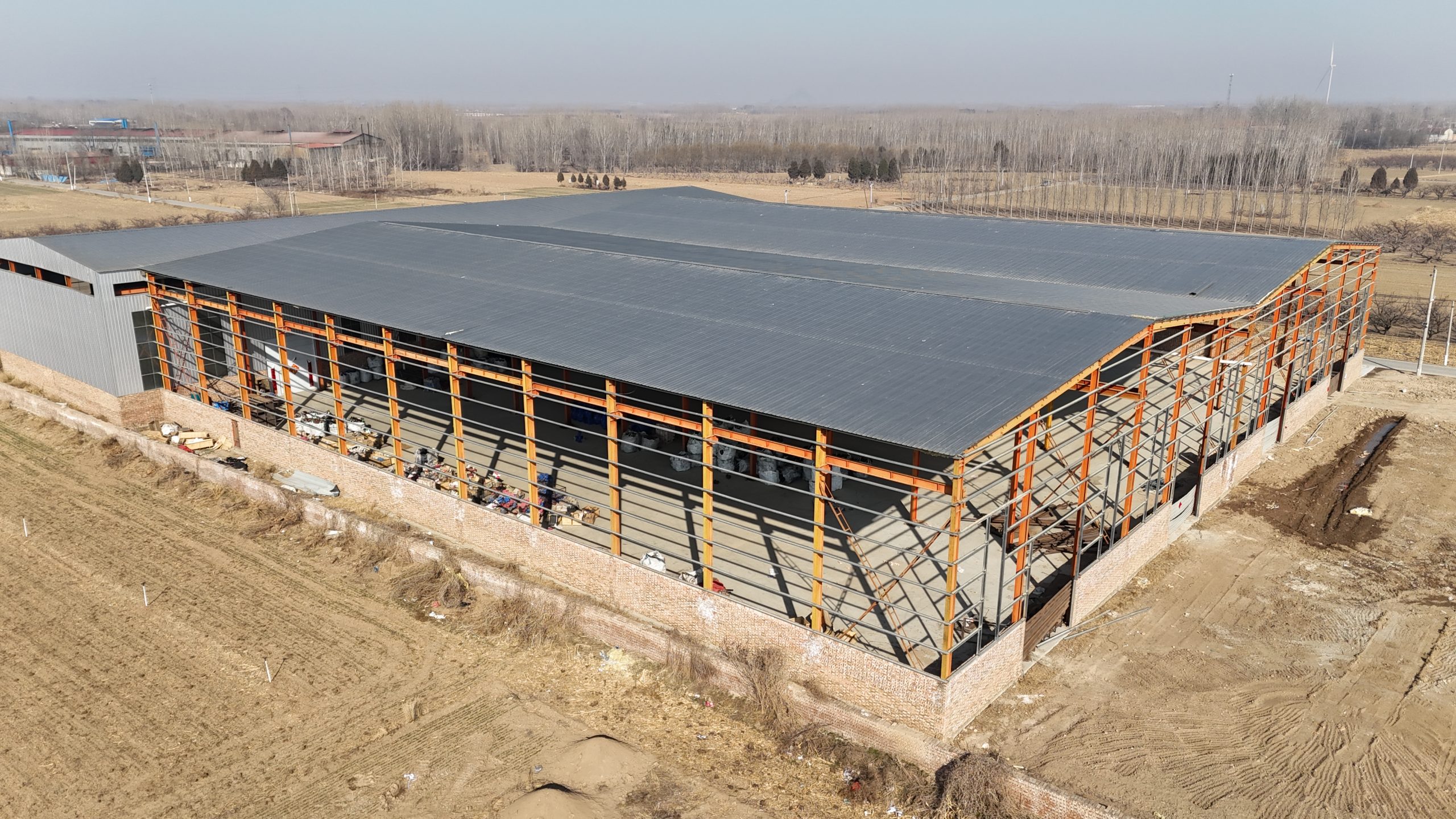
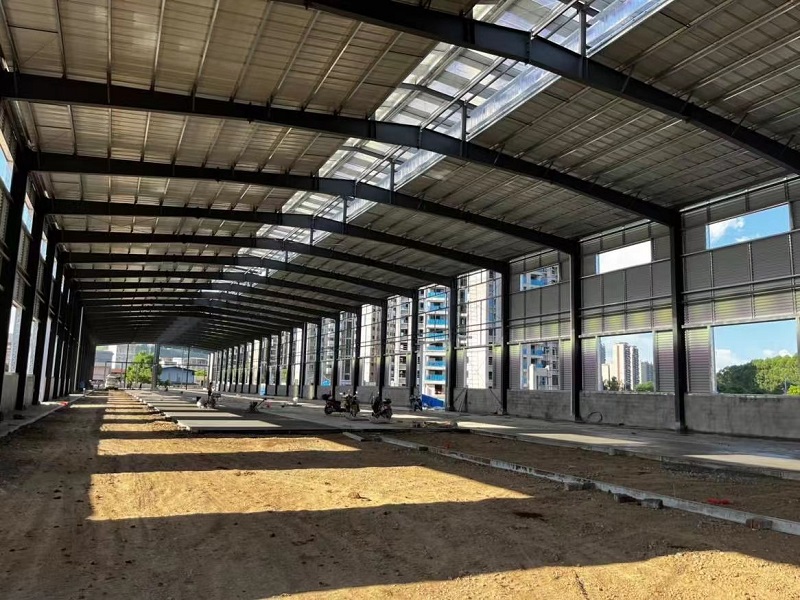
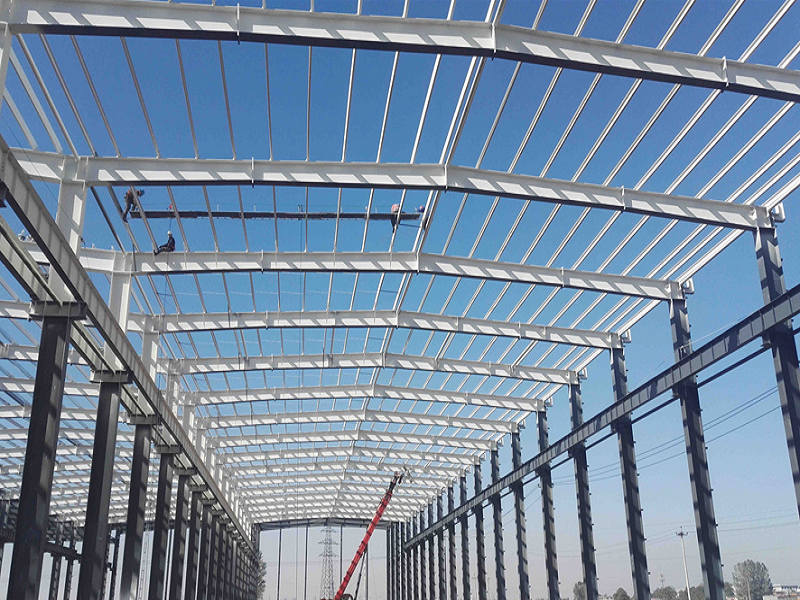
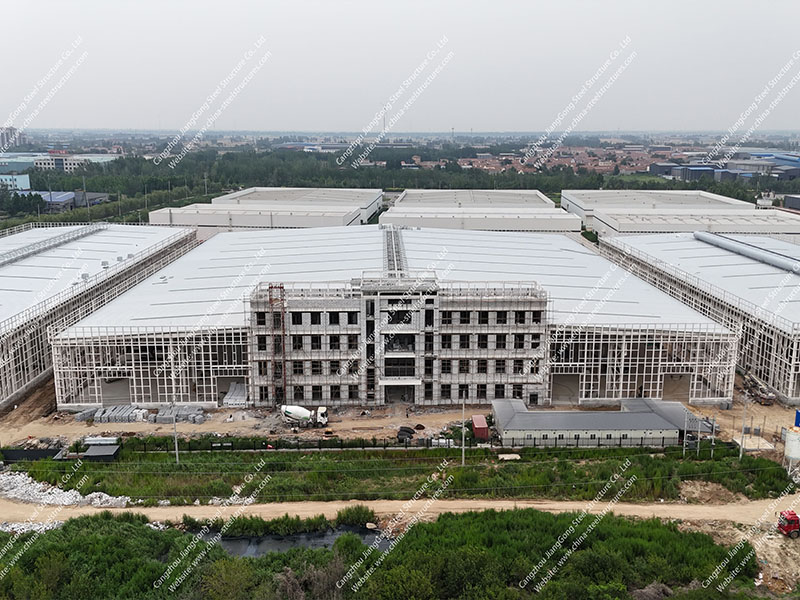
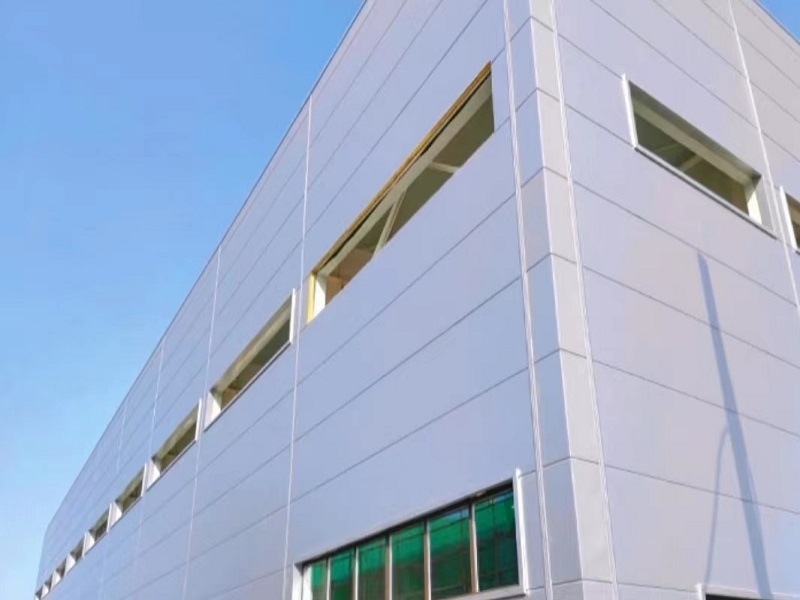
In a steel building vs wood building comparison for warehouses, workshops, farm buildings and other commercial structures, the honest summary is this: wood can be cheaper to put up on a small building and many people like how it looks, but steel wins on durability, speed, clear span and long-term cost — which is why it dominates industrial and agricultural construction. This guide compares the two fairly on the three things buyers ask about most: cost, durability and speed. If you are also weighing masonry, our companion post on steel versus concrete buildings covers that matchup, and our 2026 steel building price guide explains the numbers.
Throughout, “wood building” means timber-frame or post-frame (pole-barn) construction — the usual alternative to a steel building for barns, workshops and light commercial use. To see typical steel options, browse our steel warehouse and workshop range. Let’s compare.
Steel building vs wood building at a glance
The table below summarizes how the two compare across the factors that matter for a working building. The rest of the article explains each one.
| Factor | Steel building | Wood building |
|---|---|---|
| Upfront cost (small building) | Competitive | Often lower |
| Upfront cost (large / long-span) | Usually lower | Rises sharply |
| Lifespan | 50+ years | ~20–40 years |
| Maintenance | Low | Higher (sealing, rot & pest repair) |
| Fire resistance | Non-combustible | Combustible |
| Pests & rot | Immune | Vulnerable (termites, rot) |
| Clear span | Very large, column-free | Limited |
| Build speed | Fast (bolted prefab) | Slower, more on-site labor |
| Extreme weather | Excellent (wind, snow, seismic) | Moderate |
| Sustainability | Highly recyclable | Renewable, lower embodied carbon |
| Look & feel | Industrial, clean | Warm, natural (preferred by some) |
Considering a steel building? Tell us your dimensions, use and location and we’ll prepare a detailed FOB quote you can compare against a local wood build, usually within 24 hours. Contact us for a free quote or message us on WhatsApp.
Cost: steel building vs wood building
Cost is where the steel building vs wood building decision is usually won or lost, and it has two parts: what you pay to build, and what you pay to own.
Upfront cost
For a small, simple structure with short spans, a wood post-frame (pole barn) building is often cheaper to put up, because the material is inexpensive and a local crew can frame it with common tools. That is wood’s strongest argument. But the picture flips as buildings get bigger or need wide, column-free space: timber cannot span far without heavy, expensive members or internal posts, so cost climbs quickly. A prefabricated steel building holds a large clear span efficiently, and when the frame is fabricated in a high-volume factory and shipped as a kit, its upfront cost is very competitive — frequently lower than wood for medium and large buildings.
Cost of ownership
This is where steel pulls ahead over time. A steel building needs little maintenance; a wood building must be sealed, treated and periodically repaired against rot, insects and weathering, and those costs recur for the life of the structure. Steel is also non-combustible, which often means lower insurance premiums, while combustible wood can cost more to insure. Add a longer lifespan — 50 years or more for steel versus roughly 20–40 for wood depending on climate and upkeep — and the lifetime cost per year of a steel building is usually the lower of the two, even where wood was cheaper on day one.
The table below sums up the cost picture across the life of the building:
| Cost factor | Steel building | Wood building |
|---|---|---|
| Upfront (small, short-span) | Competitive | Often lower |
| Upfront (medium / large, long-span) | Usually lower | Higher |
| Maintenance over 20 years | Low | Higher (sealing, rot & pest repair) |
| Insurance | Often lower (non-combustible) | Often higher (combustible) |
| Lifespan | 50+ years | ~20–40 years |
| Best value at | Medium–large, long-span, long service life | Small, short-span, short service life |
Durability: which building lasts longer?
Durability is steel’s clearest advantage, and it comes down to what each material is vulnerable to.
- Rot and moisture. Wood absorbs moisture, which leads to rot, mold and warping over time. Steel does not rot, and with galvanizing or proper coatings it resists corrosion for decades.
- Pests. Termites and wood-boring insects are a constant threat to timber, especially in warm and humid regions. Steel is completely immune — nothing eats it.
- Fire. Wood is combustible and adds fuel to a fire. Steel is non-combustible; it will not ignite or feed a blaze, an important safety and insurance factor for warehouses and workshops storing goods or equipment.
- Weather and load. A steel frame can be engineered precisely for high wind, heavy snow and seismic loads, and holds its shape without warping or shrinking. Wood is more affected by extreme and changing conditions.
- Lifespan. With minimal upkeep a steel building routinely lasts 50 years or more; a wood building’s life is shorter and depends heavily on climate and maintenance.
For any building that must protect valuable stock, machinery or livestock, or stand up to a demanding climate, steel’s resistance to rot, pests, fire and weather is decisive.
Speed: how fast can each be built?
A prefabricated steel building is fast because the hard work happens in the factory. Every column, rafter and purlin is cut, drilled and coated before it ships, so on site the crew bolts numbered components together rather than measuring and cutting. Site work also runs in parallel with fabrication — you prepare the foundation while the frame is being made. Wood framing, by contrast, is largely built piece by piece on site, which takes more labor and more time, and is more exposed to weather delays during construction. For most commercial and agricultural buildings, a steel structure goes up meaningfully faster, which means you start using the building — and earning from it — sooner.
Other factors worth weighing
Beyond the big three, a few points can tip the decision either way:
- Clear span. If you need wide, unobstructed floor space for machinery, forklifts or storage, steel is in a different league — wood simply cannot span as far without posts.
- Insurance and safety. Non-combustible steel often earns lower premiums and better fire ratings.
- Sustainability. Wood is renewable and stores carbon, giving it a lower embodied-carbon footprint — a genuine point in its favor. Steel counters with recyclability: it can be reused and recycled indefinitely without losing strength.
- Modifications. Wood is easy to cut and alter with basic tools; steel changes are best planned up front, though a bolted frame can still be extended along its length.
- Appearance. Many people prefer the warm, natural look of timber, especially for homes, offices and hospitality. For utilitarian warehouses and workshops, steel’s clean industrial finish is usually exactly what’s wanted.
Steel vs wood building by use case
Which material wins depends a lot on what you’re building:
- Warehouses & distribution. Steel, clearly — wide clear spans, fire resistance for stored goods, and low maintenance make it the standard.
- Workshops & factories. Steel. It carries overhead cranes, spans production floors and shrugs off the wear of an industrial environment.
- Barns & agricultural buildings. Both are used; steel wins where you need large spans, fire safety near feed and machinery, and freedom from termites and rot — wood suits small, simple, short-life barns on a tight budget.
- Poultry & livestock houses. Steel, for hygiene, pest resistance and the long clear spans modern housing needs.
- Garages, carports & storage. Steel for durability and low upkeep; wood for a small, natural-looking structure where budget rules.
- Homes, offices & hospitality. Wood’s warmth and easy modification often win here, though steel framing is used too.
For the commercial and agricultural buildings most buyers come to us for, the use case points to steel.
Where a wood building still makes sense
To be fair to wood: it is a strong choice for small buildings on a tight budget with short spans, for projects where a natural aesthetic matters, and where the lowest possible upfront cost outweighs long-term durability — think small barns, hobby workshops, cabins or buildings meant for a limited service life. In warm, dry, low-pest climates and at modest sizes, a well-built and well-maintained wood structure can serve well for years. The case for steel gets stronger the larger the span, the harsher the climate, the more valuable the contents, and the longer you need the building to last.
Which should you choose?
For the buildings we make — warehouses, factories, workshops, poultry houses and livestock sheds — steel is almost always the better long-term choice. It spans farther, resists fire, rot and pests, stands up to extreme weather, needs little maintenance, goes up faster and lasts longer, and at medium-to-large sizes it is frequently cheaper up front as well. Wood remains a sensible option for small, short-span, budget or aesthetic-led projects. Match the material to the job: if the building has to work hard, protect valuable contents and last for decades, steel is the safer investment.
Why source your steel building from China
If you decide on steel, buying the structure factory-direct from China lowers your largest predictable cost. A high-volume steel fabrication industry produces engineered frames at a competitive price per ton, and the flat-packed building ships economically in containers worldwide. Buyers combine that low structure cost with local foundation and erection, and land a complete building that beats both a local steel build and, in most medium-to-large cases, a wood one on lifetime value. Plan for freight, lead time and customs; for most projects the structure saving more than covers them.
Frequently asked questions
Is a steel building cheaper than a wood building?
For small, short-span structures, a wood pole barn is often cheaper to build. For medium and large buildings, or anything needing wide clear span, steel is usually cheaper up front — and steel almost always wins on cost of ownership thanks to lower maintenance, lower insurance and a longer lifespan.
Which lasts longer, steel or wood?
Steel. A steel building routinely lasts 50 years or more with minimal maintenance, while a wood building typically lasts around 20–40 years and depends heavily on climate and upkeep, because wood is vulnerable to rot, insects and moisture.
Is a steel building more fire-resistant than wood?
Yes. Steel is non-combustible — it will not ignite or add fuel to a fire — whereas wood is combustible. This improves safety and often lowers insurance premiums, which matters for buildings storing goods, equipment or livestock.
Does wood have any advantages over steel?
Yes. Wood can be cheaper for small buildings, is renewable with a lower embodied-carbon footprint, is easy to modify with common tools, and has a warm natural look many people prefer. Those strengths suit small, short-span or aesthetic projects.
Which builds faster?
A prefabricated steel building. Components are fabricated in the factory and bolted together on site while the foundation is prepared in parallel, so steel typically goes up faster than piece-by-piece wood framing, with fewer weather delays.
What about termites and rot?
Steel is immune to both — nothing eats it and it does not rot. Wood needs ongoing treatment and inspection to guard against termites, wood-borers and moisture damage, especially in warm, humid climates.
Can you ship a steel building to my country?
Yes. Steel buildings flat-pack into shipping containers and export worldwide. We regularly ship to the Americas, Africa and Southeast Asia. Freight and duties depend on your destination and are quoted per project.
The bottom line
In a steel building vs wood building decision, wood earns its place on small, budget or aesthetic projects, but steel is the stronger choice for almost any building that must span wide, resist fire, pests and weather, go up fast and last for decades — and it often costs less both up front and over time. For warehouses, workshops and farm buildings, steel is the investment that keeps paying back. Tell us your dimensions, use and location and we’ll show you exactly what a steel building would cost for your project — a number you can put straight up against a local wood build.