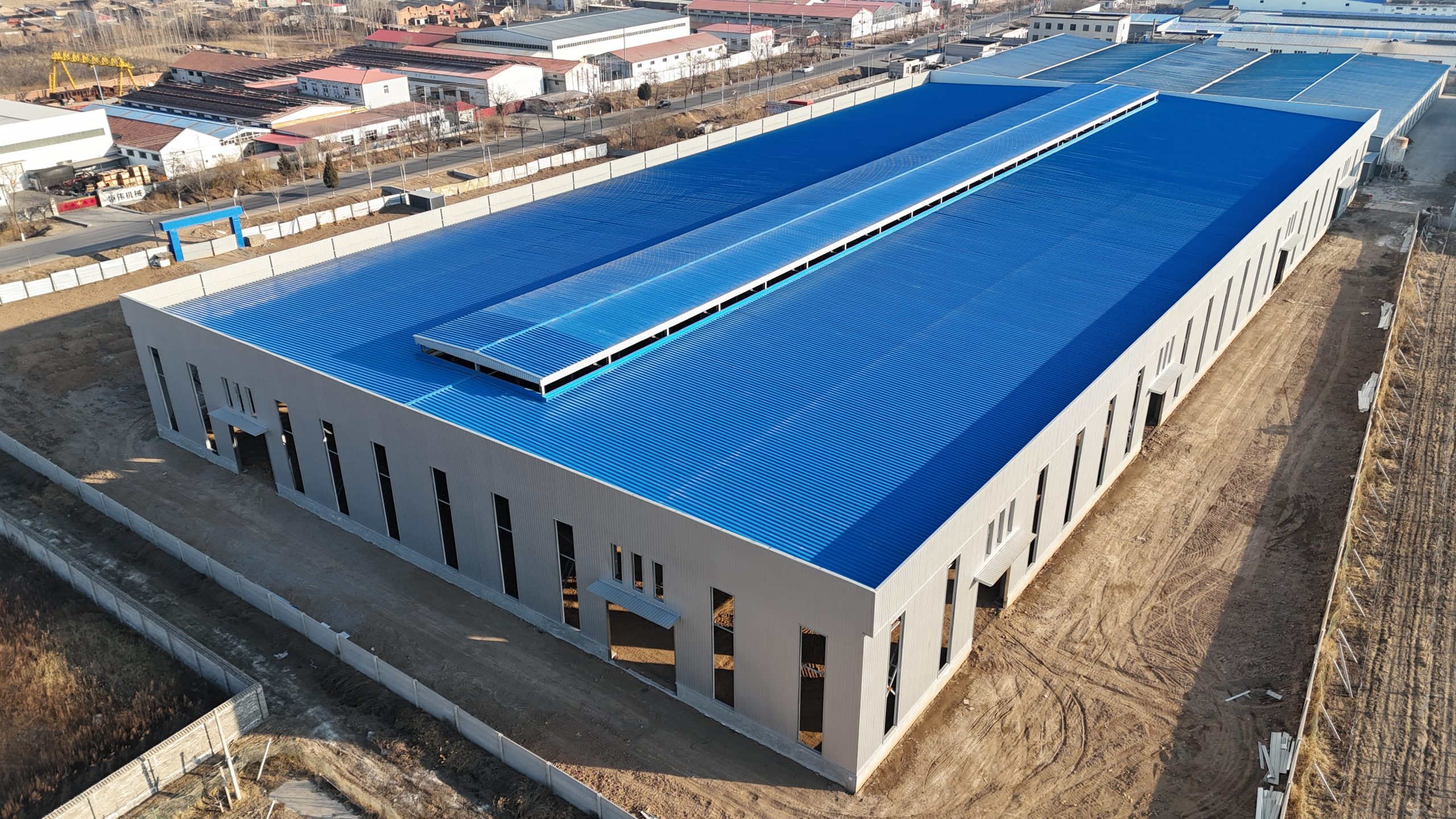
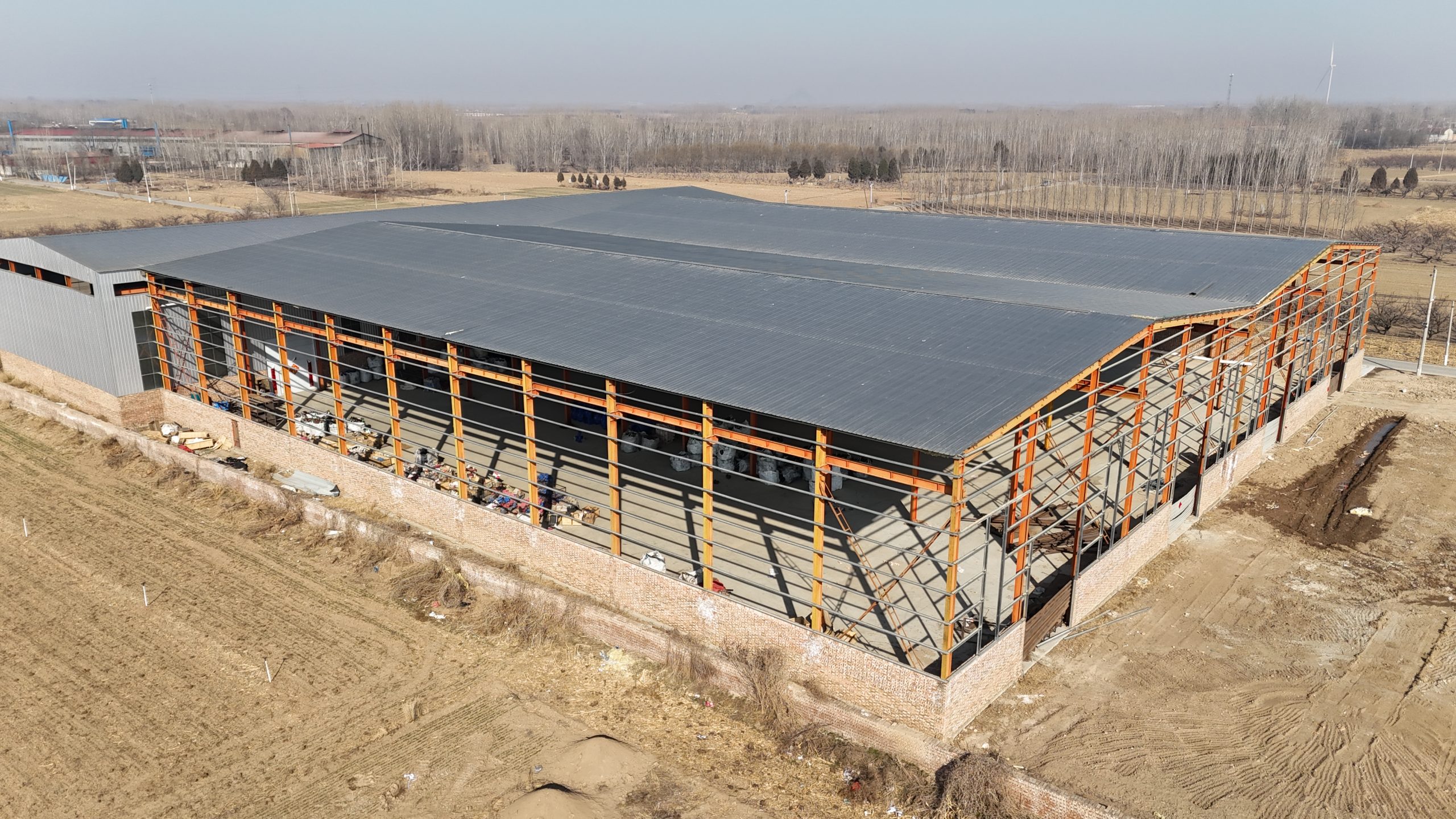
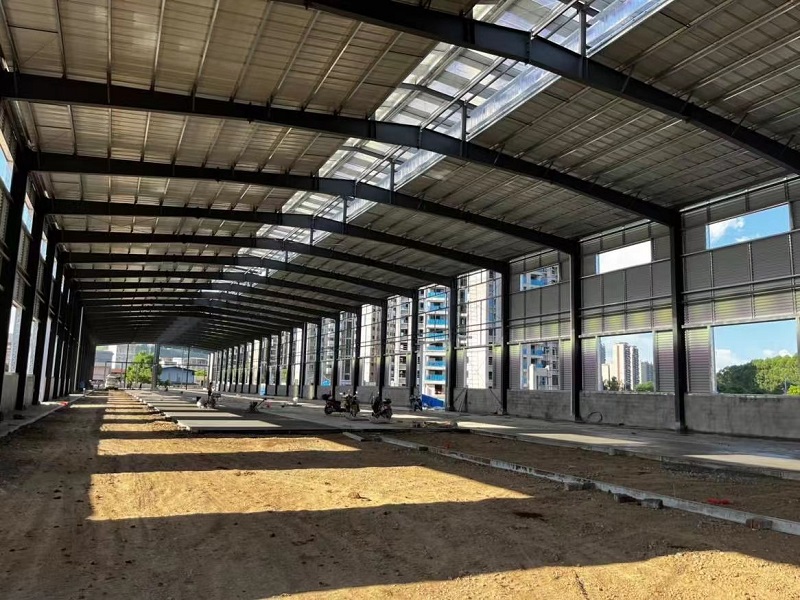
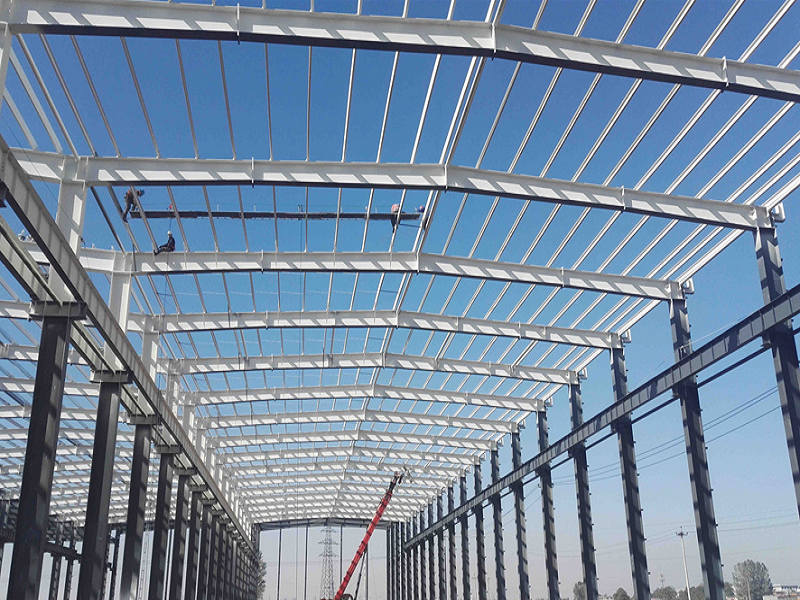
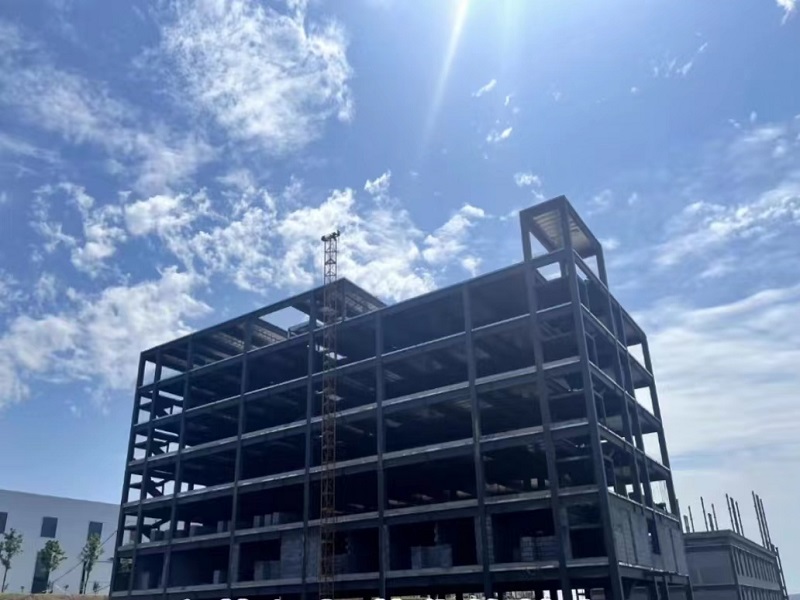
Learning how to import a steel building from China is simpler than most first-time buyers expect: the structure is fabricated to your design, flat-packed into shipping containers, and delivered to your port, where you clear customs and truck it to site for erection. The key is knowing the steps and the trade terms so nothing catches you out. This guide walks through the whole process, from first quote to finished building. To see what you can order, browse our steel warehouse and workshop range, and for budgeting, our 2026 steel building price guide breaks down the costs.
We export prefabricated steel buildings worldwide, so this reflects how it actually works in practice — you can also see how we pack and ship projects to any destination. Let’s go step by step.
How to import a steel building from China: at a glance
To import a steel building from China you follow nine clear stages: define your requirements, get a quote and choose a supplier, approve the drawings, sign the contract and agree trade terms, fabrication and quality control, packing and loading, ocean shipping and documents, customs clearance and duty, then delivery and erection. Each is covered below.
Ready to start? Send us your building dimensions, use and destination and we’ll prepare a detailed FOB quote and guide you through every step, usually within 24 hours. Contact us for a free quote or message us on WhatsApp.
Step 1: Define your requirements
Every good import starts with a clear specification, because it drives the price, the design and the shipping. Before you ask for a quote, pin down your building’s dimensions (width × length × eave height), its use (warehouse, workshop, poultry house, and so on), whether you need a clear span or can accept internal columns, your cladding choice (single-skin sheet or insulated sandwich panel), any overhead crane and its capacity, and any extras such as doors, windows, skylights or a mezzanine. Just as important, note your location, so the frame can be engineered to your local wind, snow and seismic loads. The more precise your brief, the more accurate and comparable the quotes you receive.
Step 2: Get a quote and choose a supplier
Send your specification to two or three manufacturers and compare their quotes on a like-for-like basis. A serious quotation lists the design loads, the steel tonnage, the cladding and coating specification, the accessories included, packing, lead time and payment terms — not just a single price. When you vet a supplier, look for genuine manufacturing (not just trading), export experience to your region, clear engineering drawings, and references or project photos. A factory that exports regularly will handle documentation and packing correctly, which saves you trouble later. Confirm whether each price is FOB, CFR or CIF (explained below) so you are comparing the same scope.
Step 3: Approve the design and drawings
Once you choose a supplier, the engineering begins. The factory prepares design calculations and shop drawings sized to your loads and local code, and you review and approve them before production starts. This is the stage to confirm every dimension, opening, and connection, because changes are cheap on paper and expensive once steel is cut. Ask that the drawings state the design standards and loads used, so they can be checked against your local requirements — many buyers have their own engineer review them for code compliance.
Step 4: Sign the contract and agree trade terms
The contract sets out the specification, price, payment terms, lead time, and the Incoterm — the international trade term that defines who arranges and pays for each part of the journey. Payment is typically a deposit by bank transfer (T/T) to start production, with the balance before shipment or against shipping documents; larger projects sometimes use a letter of credit (L/C). Getting the Incoterm right matters, because it decides where the factory’s responsibility ends and yours begins:
| Trade term | Factory price covers | You arrange & pay |
|---|---|---|
| FOB (Free On Board) | Goods loaded onto the ship at the China port | Ocean freight, insurance, customs, duty, delivery to site |
| CFR / CNF (Cost & Freight) | Goods + ocean freight to your destination port | Insurance, customs, duty, delivery to site |
| CIF (Cost, Insurance & Freight) | Goods + freight + marine insurance to your port | Customs, duty, delivery to site |
FOB gives you the most control over shipping and often the best freight rate if you have a good forwarder; CIF is the simplest because the factory arranges freight and insurance to your port. Either way, customs, duty and inland delivery at your end are yours to handle.
Step 5: Fabrication and quality control
With drawings approved and the deposit paid, the factory fabricates your building: cutting, welding, drilling and coating the frame, and preparing the purlins, cladding and accessories. Fabrication typically takes a few weeks depending on size. Quality control matters here — ask about material certificates (mill test certificates), welding standards, and the anti-corrosion treatment (galvanizing or paint system). A reputable manufacturer will share progress photos, and you or a third-party inspection agency can inspect before loading if you wish.
Step 6: Packing and loading
A steel building is designed to ship efficiently. Components are flat-packed and numbered, bundled and braced so they nest tightly into shipping containers — you are paying to ship steel, not air. Small buildings fit into one or two containers; large ones need several. Good packing protects the coating and the parts in transit and makes on-site assembly straightforward, because everything is labelled to match the drawings. Confirm the number and type of containers, as this affects both freight and unloading at your end.
Step 7: Ocean shipping and documents
The containers are booked onto a vessel — by the factory under CFR/CIF, or by your freight forwarder under FOB — and shipped to your destination port. Transit time depends on the route, commonly a few weeks. You’ll receive a set of shipping documents you need for customs and to collect the cargo. The usual documents are:
- Commercial invoice — the value and description of the goods.
- Packing list — contents, weights and dimensions of each package.
- Bill of lading (B/L) — the shipping contract and title to the goods.
- Certificate of origin — may reduce duty under a trade agreement (for example a Form E in some Asian markets).
- Material / mill test certificates — proof of steel grade and quality.
- Insurance certificate — if the shipment is CIF.
- Fumigation certificate — if wooden packing is used, required by many countries.
Step 8: Customs clearance and import duty
When the vessel arrives, the goods must clear customs before you can collect them. Most buyers use a licensed customs broker to file the entry, classify the goods under the correct HS code, and calculate the import duty and taxes payable in their country. Duty rates are set by your government, not the supplier, and vary widely by country and trade agreement, so check yours in advance and build it into your budget. Clearance usually takes a few days to a couple of weeks. Having complete, accurate documents from Step 7 is what keeps this stage smooth and avoids costly delays or storage charges at the port.
Step 9: Delivery, foundation and erection
After clearance, the containers are trucked to your site. In parallel — ideally starting while the building is still being fabricated or shipped — you prepare the concrete foundation to the factory’s drawings. On site, the numbered components are bolted together according to the erection drawings, either by your own crew, a local contractor, or with remote or on-site supervision from the supplier. Because the parts are pre-cut, pre-drilled and labelled, erection is fast. Once the frame is up and the cladding fixed, your building is ready to use.
How long does it take? A typical timeline
Timelines vary with size, route and your local processes, but a typical project runs roughly like this:
| Stage | Typical duration |
|---|---|
| Quotation & design approval | ~1–2 weeks |
| Contract & deposit | A few days |
| Fabrication | ~3–6 weeks (size-dependent) |
| Packing & loading | A few days |
| Ocean shipping | ~2–6 weeks (route-dependent) |
| Customs clearance | A few days–2 weeks |
| Delivery & erection | Varies with size & crew |
A big advantage is that these stages overlap: your foundation can be built while the frame is fabricated and shipped, so the site is ready when the steel arrives.
Common mistakes to avoid
- Comparing quotes with different scopes. An FOB structure-only price and a CIF price with accessories are not the same — confirm the Incoterm and what’s included before comparing.
- Forgetting duty and local costs. The FOB price is not the landed cost. Budget for freight, insurance, duty, inland transport, foundation and erection.
- Skipping the drawing review. Approve every dimension and opening on paper; changes after fabrication are costly.
- Ignoring local loads and codes. Make sure the frame is designed for your wind, snow and seismic conditions, not a generic standard.
- Incomplete documents. Missing or inaccurate paperwork is the most common cause of customs delays and port storage charges.
Why import your steel building from us
We manufacture and export prefabricated steel buildings to buyers across the Americas, Africa, Southeast Asia and beyond, and we handle the parts of this process that matter most to a first-time importer: engineering to your local loads, clear approval drawings, correct export documentation, and careful container packing with numbered components for easy assembly. You get a competitive FOB price on the structure, guidance on shipping and documents, and support during erection. Tell us your building and your destination, and we’ll make importing it straightforward.
Frequently asked questions
Is it hard to import a steel building from China?
No. The building is fabricated to your design, flat-packed into containers and shipped to your port; you clear customs, truck it to site and erect it. With a clear specification, approved drawings and complete documents, the process is straightforward — and an experienced exporter guides you through each step.
What’s the difference between FOB, CFR and CIF?
FOB means the factory price covers the goods loaded onto the ship in China, and you arrange freight, insurance and everything after. CFR adds ocean freight to your port; CIF adds freight plus marine insurance. Under all three, customs, duty and inland delivery at your end are your responsibility.
How much is import duty on a steel building?
Duty is set by your own country and varies widely, sometimes reduced under a trade agreement. The supplier cannot set or predict it, so check your local tariff for the relevant HS code and budget for it. A customs broker can confirm the exact rate before you ship.
How many containers does a steel building need?
It depends on size. A small building fits into one or two containers because the components flat-pack tightly; large buildings need several. Your supplier will confirm the container count, which affects both freight and unloading.
How long does the whole process take?
Commonly a couple of months from order to delivery, depending on building size and shipping route: roughly 1–2 weeks for design, 3–6 weeks for fabrication, 2–6 weeks shipping, plus customs and erection. Overlapping the foundation with fabrication and shipping saves time.
Do I need a customs broker?
In most countries, yes — a licensed customs broker files your import entry, classifies the goods and calculates duty and taxes. It is the simplest way to clear your shipment quickly and avoid errors that cause delays or storage charges.
Can the supplier help with shipping and documents?
Yes. Under CFR or CIF the factory arranges ocean freight (and insurance for CIF), and a good exporter provides the full set of shipping documents — commercial invoice, packing list, bill of lading, certificate of origin and material certificates — that you need to clear customs.
The bottom line
To import a steel building from China, define your specification, get comparable quotes and choose a genuine manufacturer, approve the drawings, agree the price and trade term, then let the factory fabricate, pack and ship while you prepare the foundation and clear customs. Handle the documents carefully, budget for duty and local costs beyond the FOB price, and the process is smooth and predictable. Tell us your dimensions, use and destination and we’ll quote your building and walk you through importing it, step by step.