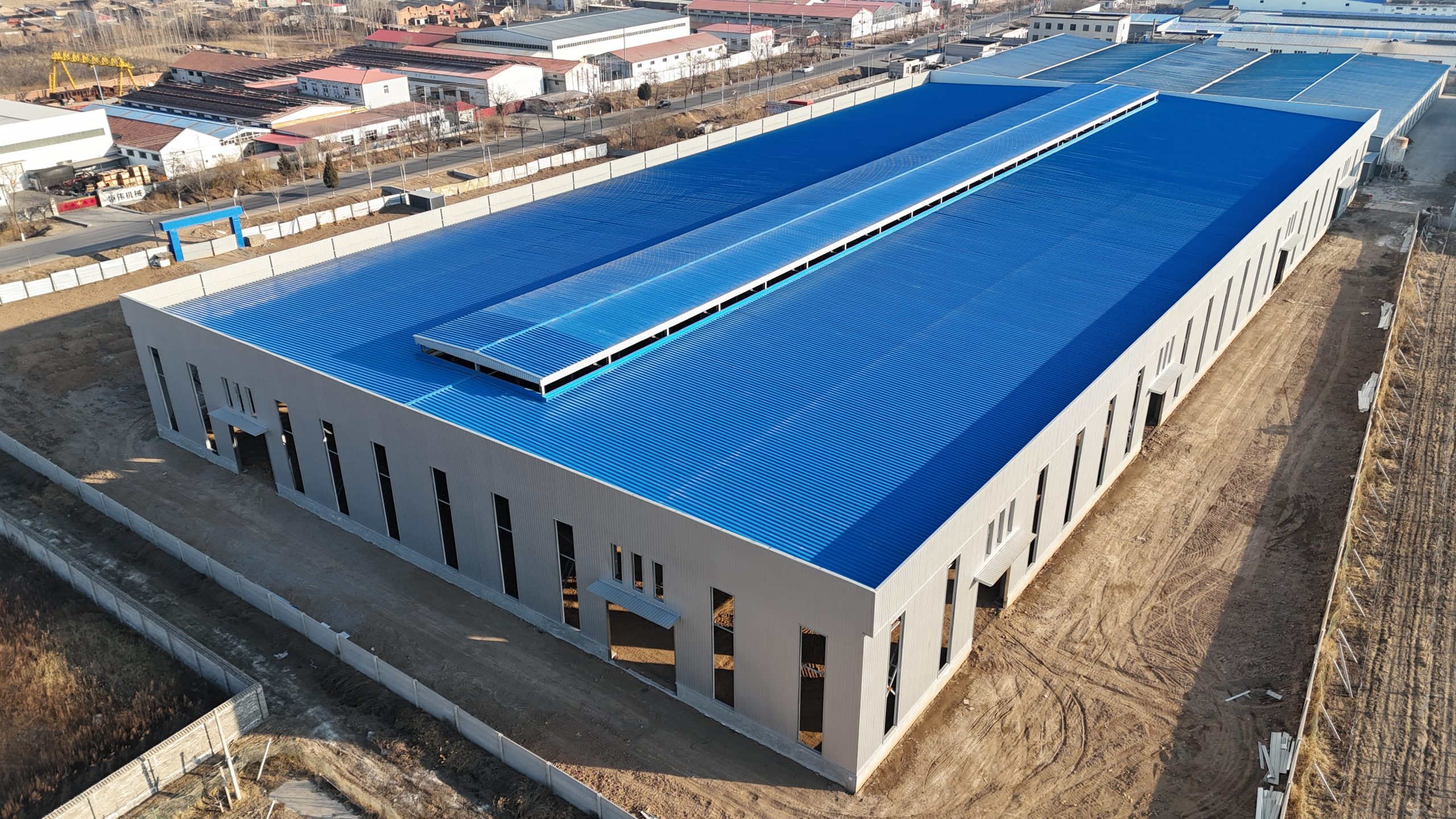
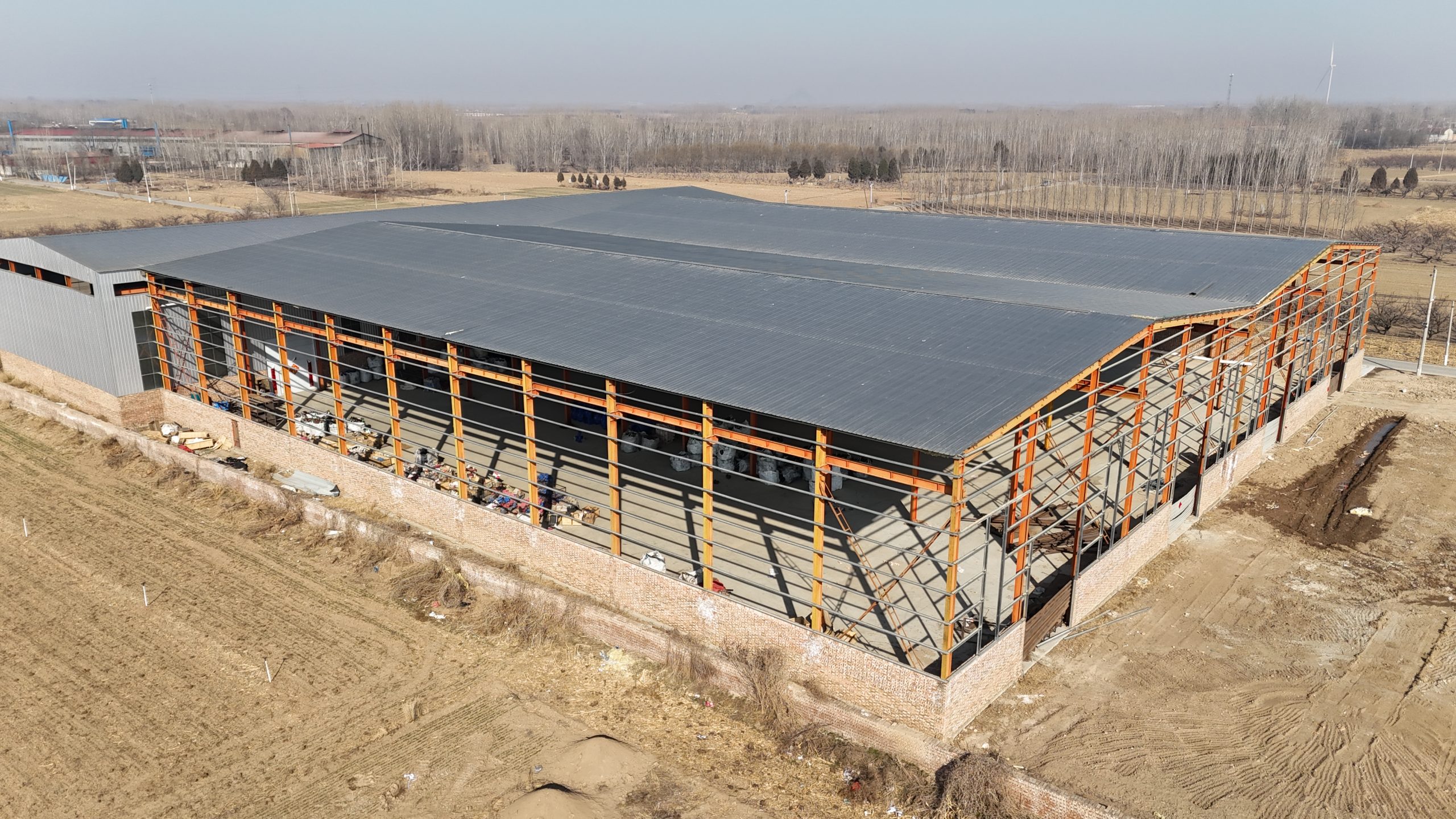
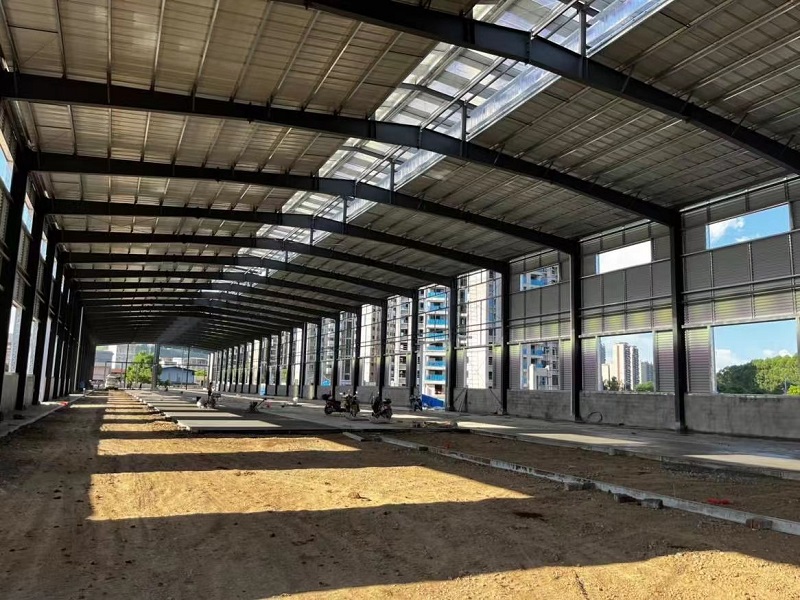
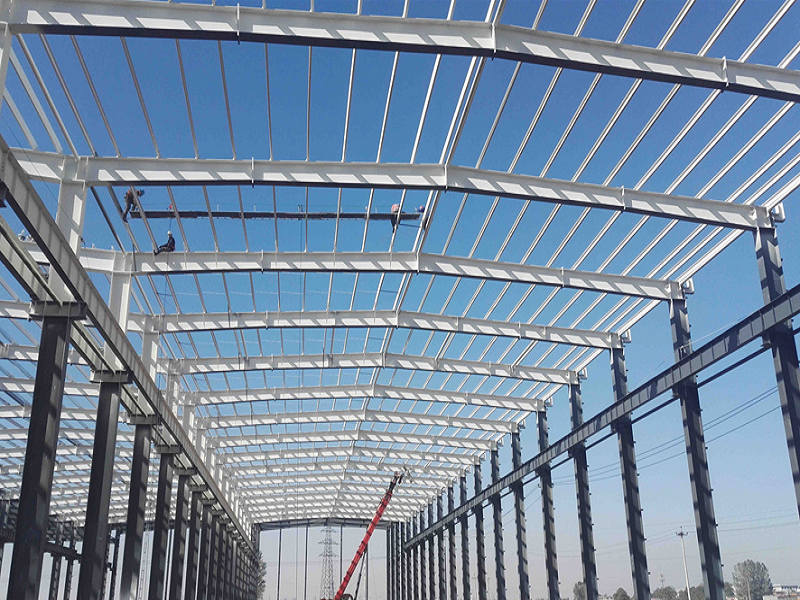
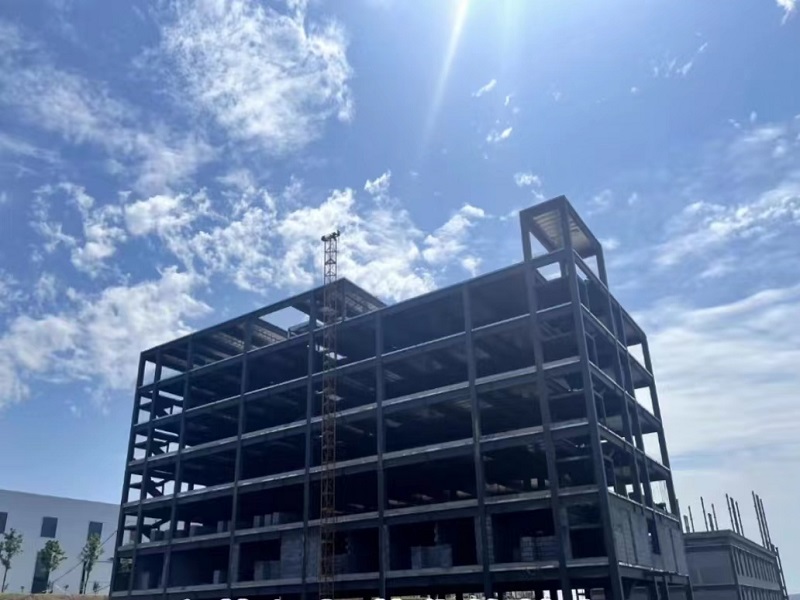
So, how long does a steel building last? A well-designed, well-protected steel building typically lasts 50 years or more — and the structural steel frame itself can last far longer, effectively indefinitely, as long as it’s kept from corroding. That’s one of steel’s biggest advantages: with modest maintenance it outlasts most alternatives by decades. This guide explains what determines a steel building’s lifespan, the maintenance it actually needs, and how to make yours last as long as possible. To see the buildings we’re talking about, browse our steel warehouse and workshop buildings, and if you’re comparing materials, our guides to steel versus wood buildings and steel versus concrete buildings both cover durability.
The headline is simple — steel lasts a long time — but the detail is worth understanding, because a few choices make the difference between 30 years and 60-plus. Let’s start with the number.
How long does a steel building last? At a glance
In short: expect 50-plus years from a well-built steel building, and often much longer. The frame lasts the longest — protected from rust, structural steel is extremely durable — while the roof and wall cladding may need recoating or eventual replacement sooner. Lifespan comes down to four things: the corrosion protection (galvanizing and coatings), the environment, the maintenance, and the quality of design and fabrication. Look after those and a steel building comfortably serves for generations.
Want a building that lasts? We fabricate steel structures with the corrosion protection your climate needs. Tell us your building and location and we’ll quote it in full, usually within 24 hours. Get a durable steel building quote or message us on WhatsApp.
How long a steel building lasts — the real answer
Fifty years is the figure most often quoted for a steel building, but it’s really a floor, not a ceiling. Plenty of steel structures have stood for many decades beyond that and are still in service. The reason is that steel doesn’t rot, warp, split or get eaten by insects the way timber does — its only real enemy is corrosion, and corrosion is entirely manageable with the right coating and a little upkeep. A steel building’s lifespan is therefore less about the steel wearing out and more about how well it’s protected and maintained. Get that right and the structure will very likely outlast its original purpose; the question becomes when you choose to replace the roof sheeting or repurpose the building, not when the frame gives up.
What determines a steel building’s lifespan
Four factors decide how long your building lasts, and all of them are within your control at the design and maintenance stages:
| Factor | Impact on lifespan | Notes |
|---|---|---|
| Corrosion protection | The biggest single factor | Galvanizing and coatings set how long the steel resists rust |
| Environment / climate | High | Coastal salt, humidity and chemicals shorten coating life |
| Maintenance | High | Inspection, cleaning and re-coating extend life significantly |
| Design & fabrication quality | Moderate | Good detailing avoids water traps and weak points |
| Foundation | Moderate | A sound foundation prevents movement and stress on the frame |
Notice that corrosion protection and environment sit at the top — because rust is the one thing that actually shortens a steel building’s life, and everything about extending lifespan comes back to keeping the steel dry and coated.
Corrosion protection: galvanizing and coatings
Since corrosion is the main threat, how the steel is protected largely decides how long it lasts. The common options are hot-dip galvanizing, in which the steel is coated in zinc that shields it and sacrifices itself before the steel corrodes; paint or specialized coating systems; and a duplex system that combines galvanizing with a top coat for the toughest environments. Galvanizing is highly durable and can protect steel for decades before any attention is needed, while painted systems are renewed periodically. The right choice depends on the environment: a dry inland warehouse needs less protection than a building on the coast or in a corrosive agricultural or industrial setting. Specifying the correct protection up front is the single most important decision for longevity — it’s far cheaper than fighting rust later.
How environment and climate affect lifespan
Where a building stands changes how long its coatings — and therefore the building — last. Coastal and marine locations are the harshest: airborne salt accelerates corrosion, so buildings near the sea need better protection and more frequent maintenance. High humidity has a similar, milder effect. Agricultural buildings face their own challenge: manure and urine give off ammonia, which is corrosive, so livestock and poultry buildings benefit from galvanizing and good ventilation to keep surfaces dry. Industrial environments with chemical exposure need coatings matched to the specific risk. A dry, temperate inland site is the easiest on a steel building and the one where 50-plus years comes most naturally. The point is to match the corrosion protection to the actual conditions — tell your supplier your location and use so the specification fits.
Steel building maintenance
The good news is that steel buildings are low-maintenance — there’s no rot to chase or timber to treat — but “low” isn’t “none,” and a little regular care is what turns 40 years into 60-plus. A sensible routine looks like this:
| Maintenance task | How often | Purpose |
|---|---|---|
| Visual inspection | Annually, and after storms | Catch corrosion, damage or loose fixings early |
| Clean surfaces, clear gutters | Annually | Remove dirt, salt and debris that trap moisture |
| Touch up coating / treat rust | As needed | Stop corrosion spreading from scratches or spots |
| Check bolts and connections | Periodically | Keep structural fixings tight and sound |
| Re-coat / repaint | Every ~10–20 years (per environment) | Renew corrosion protection as coatings age |
| Inspect roof and sealants | Annually / periodically | Maintain weather-tightness; replace failed sealants |
Most of this is quick and cheap, and the theme is consistent: keep the building clean and dry, deal with any rust or coating damage promptly, and renew the protective coating on schedule for your environment. Small, timely attention prevents the big, expensive problems.
Signs your steel building needs attention
Between scheduled inspections, a few warning signs tell you the building needs care sooner rather than later. Rust spots or streaks — especially around bolts, cut edges, gutters and the base of columns — mean corrosion has started and should be treated promptly. Faded, chalky or peeling coating shows the protective layer is aging and may be due for renewal. Loose or missing fixings, or any visible movement, need checking straight away. On the roof, water stains inside, pooling water, or failed sealants around openings point to weather-tightness slipping. And in agricultural buildings, a persistently damp, ammonia-heavy atmosphere accelerates corrosion, so improving ventilation helps. None of these are usually serious if caught early — the whole point of watching for them is to fix small problems before they become structural ones.
Frame vs. roof and cladding: what lasts longest
It helps to separate the parts of a steel building, because they don’t age at the same rate. The structural frame — the columns and beams — is the longest-lived element; protected from corrosion, it can last essentially indefinitely, which is why the 50-plus-year figure is conservative. The roof and wall cladding work harder against the weather and sun, so their coatings fade and they may need recoating or eventual replacement sooner than the frame — often still many decades, depending on the coating and climate. Sealants and flashings around joints and openings have the shortest life and are periodically renewed. Knowing this, a long-lived building is really a durable frame that you keep weather-tight by maintaining the roof, cladding and seals over time.
Steel vs. wood vs. concrete lifespan
Put next to other materials, steel’s longevity stands out. A timber building typically lasts around 20 to 40 years and depends heavily on climate and upkeep, because wood rots, warps and is vulnerable to insects. Concrete is long-lasting and fire-resistant but is heavy, can crack or spall over time, and is harder to modify. A protected steel frame, by contrast, resists rot, pests and fire, spans wide, and lasts 50-plus years with light maintenance — often outliving both, and remaining fully recyclable at the end. For a building meant to work hard for decades, steel’s combination of long life and low upkeep is hard to beat.
Why build quality affects how long it lasts
Two steel buildings of the same size can have very different lifespans, and much of the difference is set before the building ever goes up. Good detailing avoids water traps and awkward corners where moisture collects and rust starts; correctly specified steel grades and the right corrosion protection for the environment do the heavy lifting on longevity; and clean, accurate fabrication with proper coating application means the protection actually performs. This is why the factory and the specification matter as much as the maintenance: a building engineered and coated correctly for your climate starts life with a real advantage. When you order, tell your supplier your location and use so the steel grade, coating and detailing are matched to it — it’s the cheapest way to add years to the building.
How to make your steel building last longer
- Specify the right corrosion protection. Match galvanizing or coatings to your climate and use — the most important longevity decision.
- Keep it clean and dry. Remove dirt, salt and debris, and keep gutters and drainage clear so water doesn’t sit on steel.
- Fix damage promptly. Touch up scratches and treat any rust before it spreads.
- Inspect regularly. An annual look-over catches small issues while they’re cheap to fix.
- Re-coat on schedule. Renew the protective coating at the interval your environment demands.
- Ventilate agricultural buildings. Good airflow keeps corrosive, humid air from lingering on the steel.
Frequently asked questions
How long does a steel building last?
A well-designed, well-maintained steel building typically lasts 50 years or more, and often much longer. The structural frame can last effectively indefinitely if protected from corrosion; the roof and cladding may need recoating or replacement sooner. Lifespan depends mainly on corrosion protection, environment and maintenance.
What is the main thing that limits a steel building’s life?
Corrosion. Steel doesn’t rot, warp or attract insects, so rust is its only real enemy — and it’s manageable. The right galvanizing or coating, plus keeping the building clean and dry, is what keeps corrosion at bay and the building standing for decades.
Do steel buildings need much maintenance?
No, they’re low-maintenance compared with timber — there’s no rot to chase. A sensible routine is an annual inspection, keeping surfaces and gutters clean, touching up any coating damage promptly, checking bolts, and re-coating every 10–20 years or so depending on the environment.
How does galvanizing help a steel building last longer?
Galvanizing coats the steel in zinc, which shields it and corrodes in place of the steel, giving long-lasting protection that can hold for decades before attention is needed. It’s especially valuable in coastal, humid or agricultural environments where corrosion risk is higher.
Does the climate affect how long a steel building lasts?
Yes. Coastal salt, high humidity, and corrosive agricultural or industrial conditions shorten coating life and call for better protection and more frequent maintenance. A dry inland site is easiest on a steel building. Matching the corrosion protection to your conditions is key.
Does a steel building last longer than a wooden one?
Generally yes, by a wide margin. A wooden building typically lasts around 20 to 40 years and needs constant upkeep against rot and pests, while a protected steel building lasts 50-plus years with light maintenance because it doesn’t rot, warp or attract insects.
How can I make my steel building last as long as possible?
Specify the right coating for your climate, keep the building clean and dry, clear gutters, fix any rust or coating damage promptly, inspect annually, and re-coat on schedule. For agricultural buildings, good ventilation also helps by keeping corrosive, humid air off the steel.
The bottom line
So how long does a steel building last? Comfortably 50 years or more, with the structural frame lasting far longer when it’s protected from corrosion. The keys are simple: specify the right galvanizing or coating for your climate, keep the building clean and dry, and maintain the roof, cladding and coatings over time. Do that and a steel building will very likely outlast its original purpose — and it stays fully recyclable at the end. Tell us your building, use and location, and we’ll fabricate it with the right corrosion protection and quote it in full.