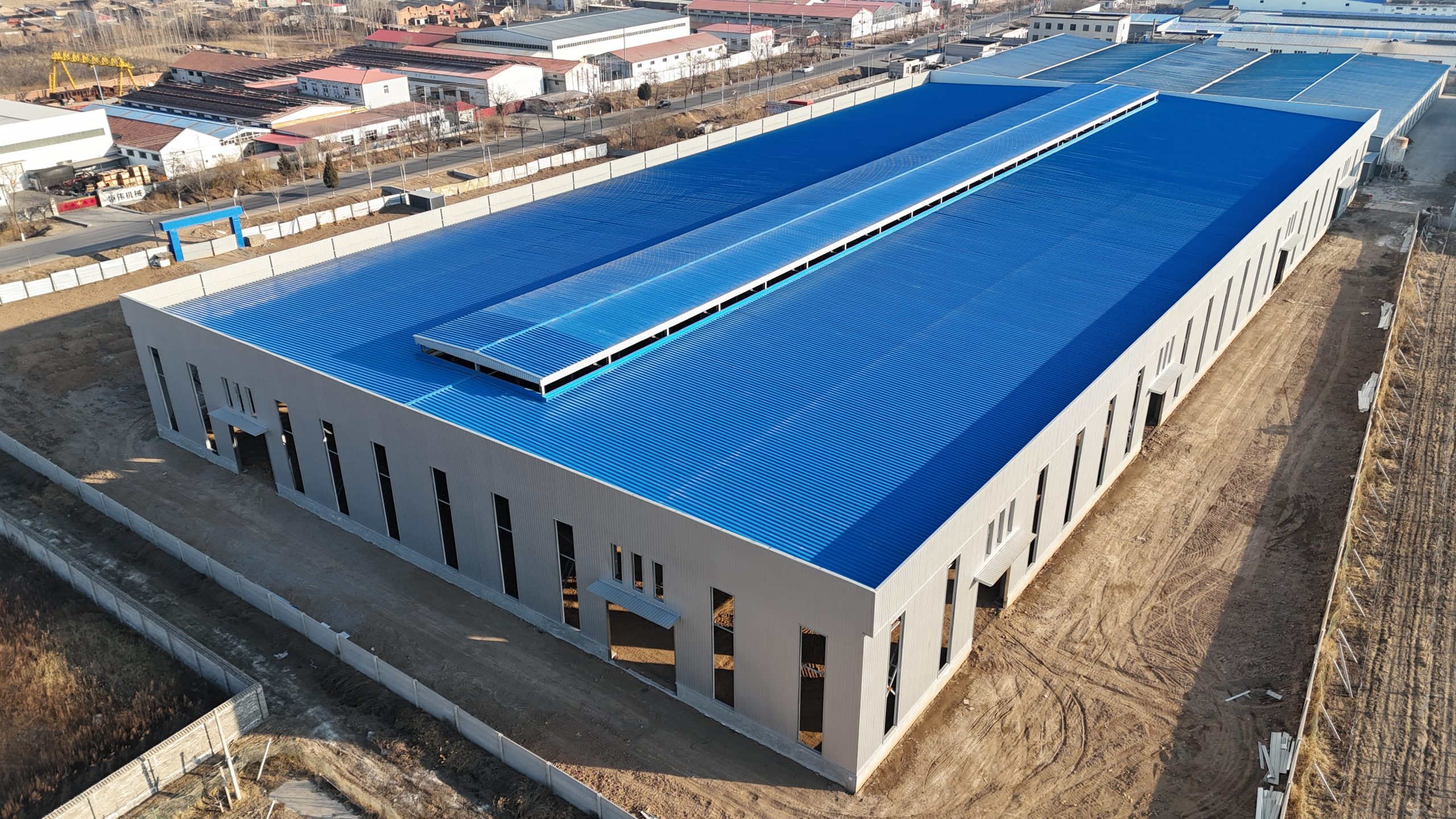
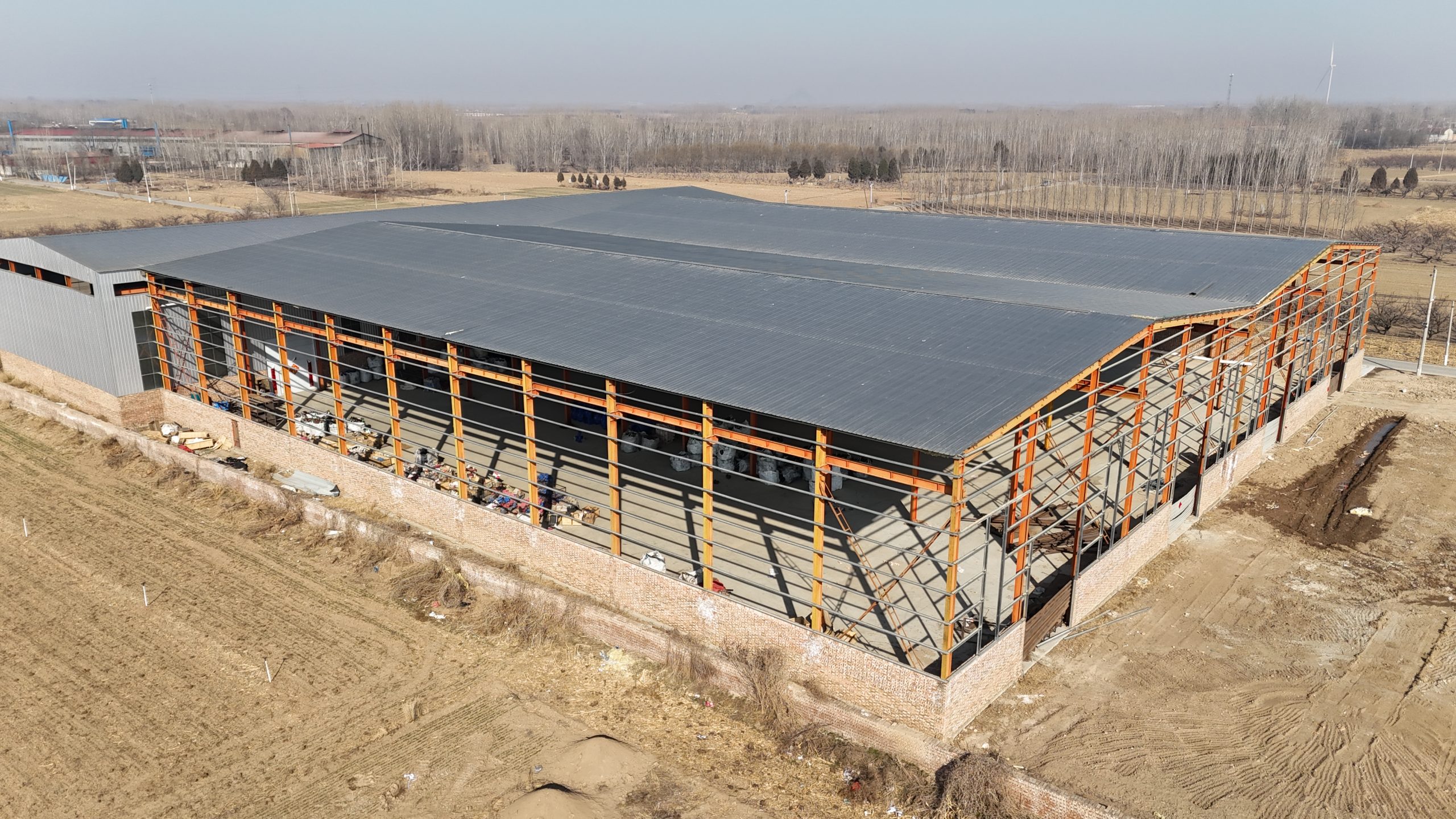
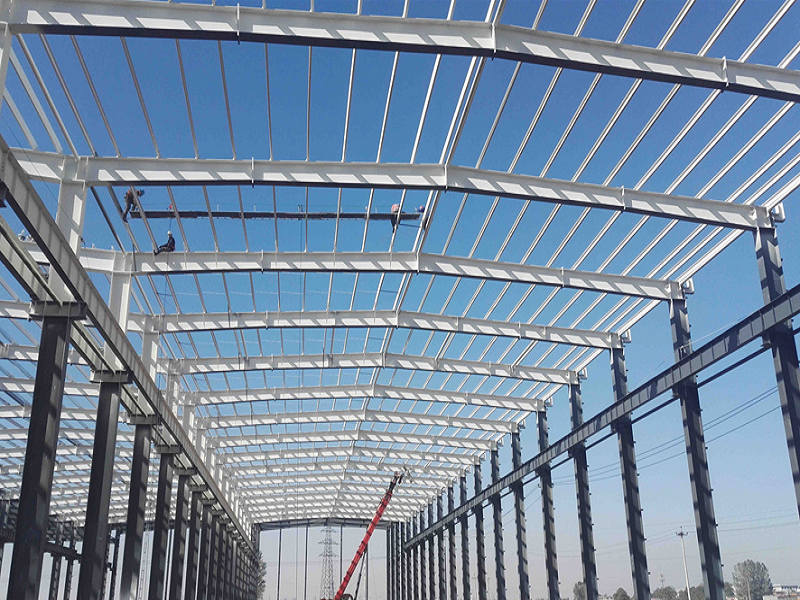
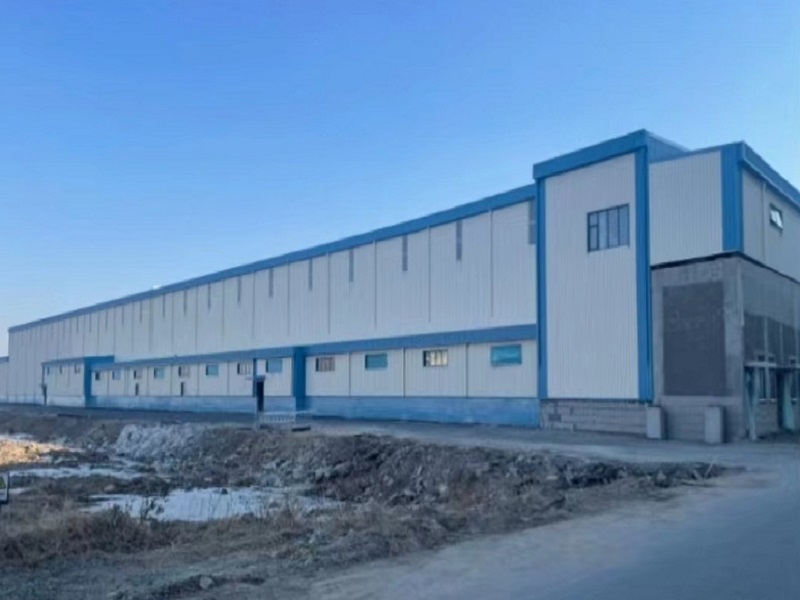
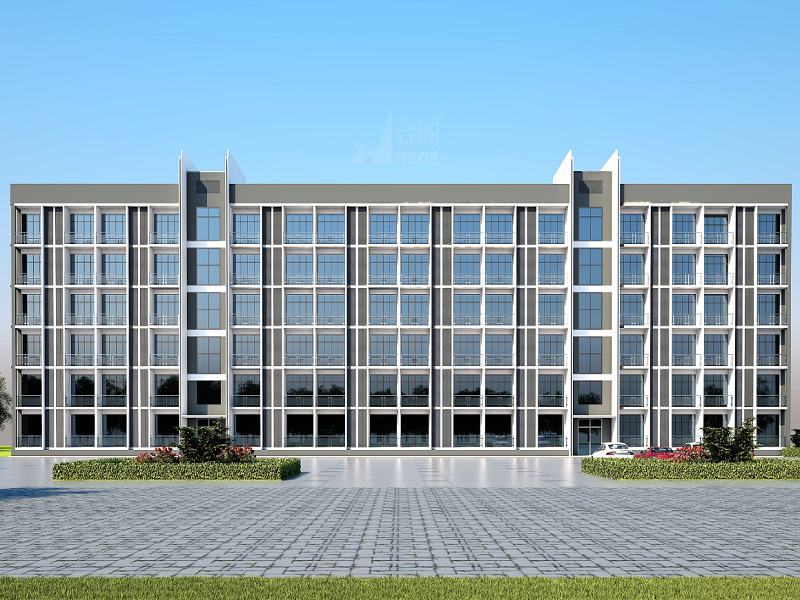
In a prefab steel building vs traditional construction comparison, the real difference isn’t just the material — it’s where and how the building is made. A prefab steel building is engineered and fabricated in a factory, then shipped and bolted together on site; traditional construction builds the whole thing in place, pouring concrete and laying blocks piece by piece. That one difference — off-site versus on-site — drives everything that follows: speed, cost, quality and labor. You can see the prefab approach in our prefab steel warehouse and workshop buildings, each fabricated before it reaches your site.
For most warehouses, workshops and industrial buildings, prefab steel wins on speed and value, while traditional construction keeps a role in certain bespoke or heavy-mass projects. This guide compares the two methods fairly, and if you’re weighing the materials specifically, our comparison of steel vs concrete buildings covers that angle. Let’s break down the two approaches.
Prefab steel building vs traditional construction at a glance
The table below summarises how the two methods compare across what matters most. The sections after it explain each point.
| Factor | Prefab steel building | Traditional construction |
|---|---|---|
| Where it’s built | Fabricated off-site, assembled on site | Built entirely on site |
| Build speed | Fast (30–50% quicker) | Slower, sequential |
| Cost for large spans | Usually lower | Rises with span |
| Quality control | Factory-controlled, consistent | Varies with site crew |
| Weather risk | Low (fabrication indoors) | High (on-site delays) |
| On-site labor | Less; bolted assembly | More; skilled trades |
| Clear span | Wide, column-free | Limited without heavy structure |
| Waste | Low (precise fabrication) | Higher (on-site offcuts) |
| Future changes | Easy to extend or relocate | Hard to modify |
What each method actually is
A prefab (prefabricated) steel building is designed with software, then cut, drilled, welded and coated in a factory as a kit of numbered components. Those parts ship flat-packed to the site, where a crew bolts them together — assembly, not construction. Traditional construction, by contrast, builds the structure in place: pouring concrete columns and beams, laying brick or block, and curing and finishing on site over weeks or months, with most of the skilled work done at the location. Both produce a finished building, but the prefab route moves the hard, precise work into a controlled factory and leaves only assembly for the site — which is the source of most of its advantages. That single distinction is what a prefab steel building vs traditional construction comparison really turns on.
Speed: the biggest difference
Speed is where prefab steel pulls clearly ahead. Because the structure is fabricated in the factory while the site is being prepared, the two happen in parallel rather than one after the other — so by the time the foundation is ready, the steel is ready to erect. On site, bolting numbered components together is far quicker than pouring, curing and building in place. The result is commonly a 30–50% faster overall schedule than traditional construction. For a business, faster construction means the building starts earning sooner, financing costs less, and there’s less exposure to things going wrong over a long build. Traditional construction is inherently sequential — each stage waits for the last to cure or set — which is why it takes longer.
Cost comparison
On cost, the picture depends on the building, but prefab steel usually wins for the warehouses, workshops and industrial buildings most buyers need. Factory fabrication is efficient and produces little waste, the lighter steel structure needs a smaller, cheaper foundation than a heavy concrete build, and the faster schedule cuts the indirect costs of a long construction period — financing, site management, equipment hire. Traditional construction can be competitive for small, simple buildings, but its cost climbs with span and complexity, and the long on-site programme adds overhead. For a full breakdown of what a steel building actually costs, see our steel building price guide. As a rule, the larger and more open the building, the more prefab steel’s cost advantage grows.
Quality and consistency
Building in a factory changes the quality equation. Prefab steel components are cut and welded by machines to precise tolerances, under cover, with quality checks at each stage — so every frame is consistent and predictable, and what’s approved on the drawings is what arrives. Traditional construction depends heavily on the skill of the on-site crew and the conditions on the day; quality can be excellent, but it varies more, and mistakes made in place are harder and costlier to fix. For buyers who want a predictable, repeatable result — especially when building remotely or at scale — the factory control of prefab is a real advantage.
Weather and site conditions
Traditional construction happens outdoors, so weather is a constant risk: rain delays concrete pours, cold slows curing, and a wet site stalls progress for days. Prefab steel sidesteps most of this, because the structure is fabricated indoors regardless of the weather at the site, and only the fast erection stage is exposed. This matters most for remote projects, short building seasons, and regions with difficult climates — the factory keeps working while the site waits for a dry window, and the on-site phase is short enough to slot into good weather. It’s a big part of why prefab is favoured for mines, farms and projects far from established construction hubs.
Labor and logistics
The two methods place very different demands on labor. Traditional construction needs a range of skilled trades on site for the whole build — concreters, bricklayers, steel-fixers — which can be scarce or expensive, especially in remote areas. Prefab steel concentrates the skilled work in the factory and leaves mostly bolted assembly for the site, which a smaller crew can handle with the erection drawings. The trade-off is logistics: a prefab building has to be shipped, so you plan for freight, container count and delivery to site. For most overseas and remote projects, moving the skilled work to the factory and shipping the result is far more practical than assembling a full trades team on a distant site.
Waste, sustainability and flexibility
Prefab steel is leaner and more adaptable. Factory fabrication cuts material precisely, so waste is low, and steel is fully recyclable at end of life; traditional construction generates more on-site waste and offcuts. A prefab steel building is also easy to change later — a bolted frame can be extended along its length with extra bays, or even dismantled and relocated — where a traditional concrete or masonry building is difficult and expensive to modify once built. For a business that may grow, change use, or move, that built-in flexibility is worth a lot, and it’s hard to match with traditional construction.
When traditional construction still makes sense
To be fair to the traditional method, it keeps a real role. It suits buildings where mass and thermal inertia matter, projects with highly bespoke or irregular architecture that a standardized system can’t easily produce, and some small, simple structures where the speed and span advantages of prefab are less relevant. Concrete’s inherent fire resistance and solidity are genuine strengths for certain uses, and in places with cheap local labor and materials but no import access, building traditionally can be the practical choice. The point isn’t that prefab always wins — it’s that for wide-span, fast-turnaround, industrial and agricultural buildings, prefab steel usually does.
Which should you choose?
Match the method to the building. For warehouses, workshops, factories, agricultural buildings and anything needing a wide clear span or a fast schedule, a prefab steel building is almost always the better choice — faster, often cheaper, consistent in quality and easy to extend. Reserve traditional construction for mass-and-thermal buildings, highly bespoke architecture, or small simple structures where its strengths apply and prefab’s advantages matter less. If you’re choosing specifically between steel and other materials, our guides to steel vs wood buildings go deeper on that decision. For the industrial and commercial buildings we make, the answer is usually prefab steel.
Considering a prefab steel building? Tell us your dimensions, use and location and we’ll quote a prefabricated steel structure you can compare against a local traditional build — usually within 24 hours. Get a prefab steel building quote or message us on WhatsApp.
Why source your prefab steel building from China
Prefab steel is especially suited to factory-direct supply from China. A high-volume steel fabrication industry produces engineered buildings at a competitive price per ton, and because the building flat-packs into containers, it ships economically worldwide — the prefab method and global sourcing fit together naturally. Buyers combine that low structure cost with their own local foundation and erection and land a complete building below a fully local traditional build, while gaining prefab’s speed and quality. Plan for freight, lead time and customs; for most projects the saving on the structure, plus the faster schedule, comfortably outweighs them.
Frequently asked questions
What is the difference between prefab steel and traditional construction?
A prefab steel building is fabricated off-site in a factory as a kit of components, then bolted together on site; traditional construction builds the whole structure in place, pouring concrete and laying blocks over weeks or months. The off-site versus on-site difference drives prefab’s advantages in speed, quality and cost.
Is prefab steel cheaper than traditional construction?
Usually, for warehouses, workshops and wide-span buildings. Factory fabrication is efficient with little waste, the lighter steel needs a cheaper foundation, and the faster schedule cuts indirect costs. Traditional construction can compete for small simple buildings, but its cost rises with span and complexity.
How much faster is prefab construction?
Commonly 30–50% faster overall, because the structure is fabricated in the factory while the site and foundation are prepared in parallel, and on-site work is quick bolted assembly rather than pouring and curing in sequence. Faster construction means the building starts earning sooner.
Is a prefab steel building as strong and good quality as traditional?
Yes — often more consistent. Prefab components are machine-cut and welded to precise tolerances under factory quality control, so every frame is predictable. Traditional quality depends on the site crew and conditions and varies more. Both are engineered to code when done properly.
When is traditional construction the better choice?
For buildings where mass and thermal inertia matter, highly bespoke or irregular architecture, and some small simple structures where prefab’s speed and span advantages are less relevant. Concrete’s fire resistance and solidity are genuine strengths for certain uses.
Can a prefab steel building be extended later?
Yes. A bolted steel frame can be extended along its length with additional bays, or even dismantled and relocated, if the design allows for it. Traditional concrete or masonry buildings are far harder and costlier to modify once built.
Does prefab mean lower quality or a “temporary” building?
No. Prefab refers to where the building is made, not a lower standard. A prefab steel building is a permanent, code-engineered structure that lasts 50 years or more — the factory process improves consistency rather than reducing quality.
The bottom line
In a prefab steel building vs traditional construction decision, the off-site method wins for most industrial and commercial buildings: it’s typically 30–50% faster, often cheaper for wide spans, more consistent in quality, less exposed to weather, lighter on site labor, and easy to extend. Traditional construction keeps a role for mass, bespoke and some small projects. For warehouses, workshops and farm buildings, prefab steel is the method that gets you a better building, sooner — and sourcing it factory-direct from China adds a cost advantage on top. Tell us your dimensions, use and location, and we’ll quote a prefab steel building in full.