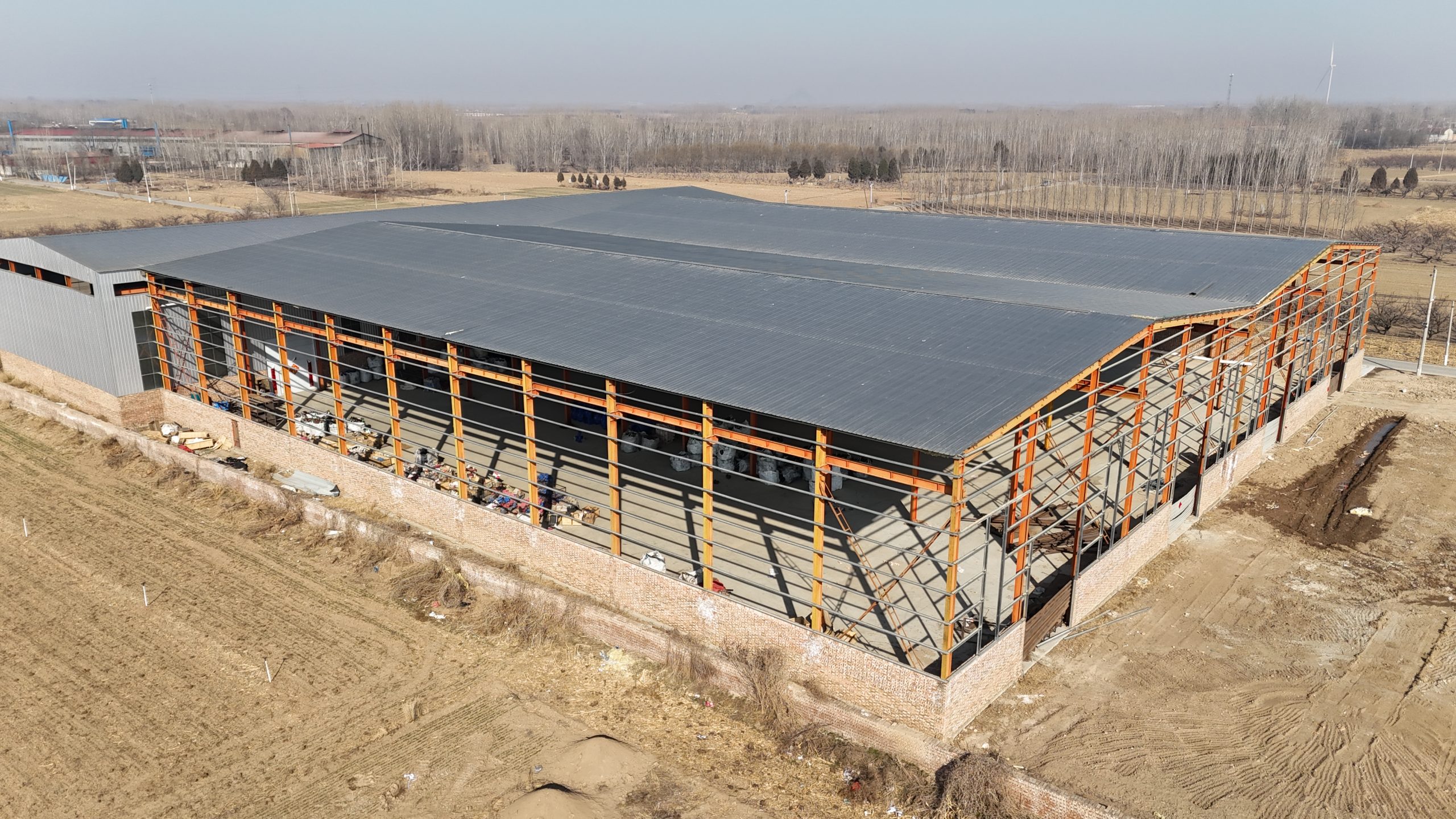
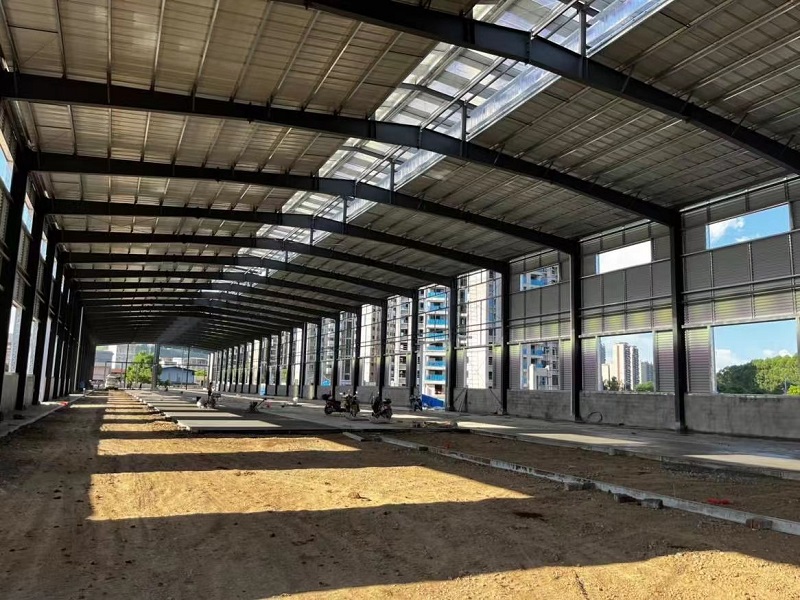
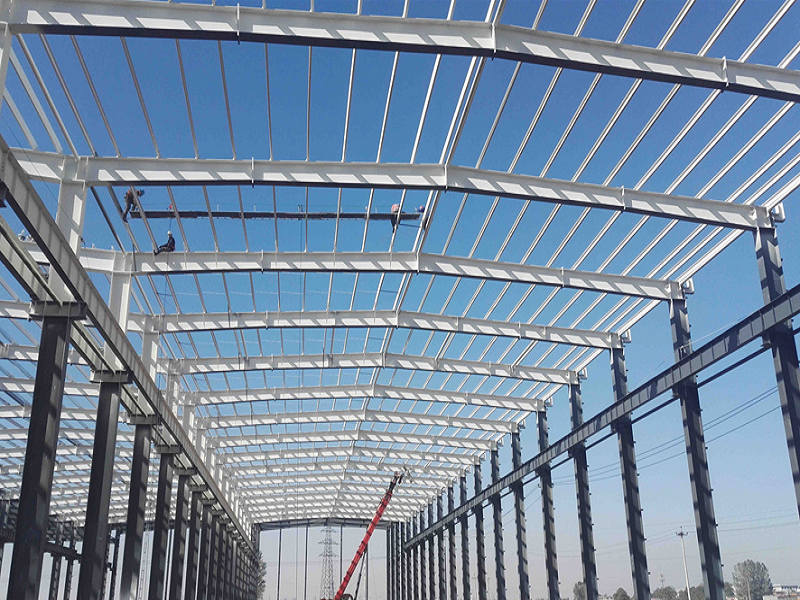
Poultry house equipment is what turns a steel shed into a working, productive chicken house — the ventilation, cooling, heating, feeding, drinking and control systems that keep birds comfortable and growing. In a modern environmentally-controlled house, this equipment can cost as much as the building itself, so understanding it is central to planning a poultry project. This guide walks through each system, what it does and how to choose it. To see the buildings this equipment goes into, browse our steel poultry house buildings, which are engineered to carry and house every system below.
How the equipment is specified follows directly from the house design — its width, length, climate and bird type — which our guide to poultry house design covers in full. Here, we focus on the equipment itself. Let’s start with the systems that make up a complete house.
The main poultry house equipment systems
A complete house is a set of systems working together, each doing one job. Here’s the overview before we go into each:
| System | What it does |
|---|---|
| Ventilation | Removes heat, moisture and ammonia; brings in fresh air |
| Cooling | Lowers temperature in hot weather (evaporative pads, foggers) |
| Heating | Keeps chicks and the house warm (brooders, heaters) |
| Feeding | Delivers feed evenly along the house (pan or chain lines, silos) |
| Drinking | Supplies clean water (nipple drinker lines, regulators) |
| Lighting | Controls activity, feeding and (for layers) production |
| Control system | Runs everything automatically from sensors |
Ventilation equipment
Ventilation is the heart of poultry house equipment, because birds constantly produce heat, moisture and ammonia that must be removed while fresh air comes in. The core components are exhaust fans — large fans that pull stale air out, grouped at one gable end for tunnel ventilation; air inlets — adjustable vents along the walls that let fresh air in at a controlled speed and direction; and circulation fans — which mix the air inside the house to keep conditions even. In a tunnel-ventilated house, the exhaust fans draw air the full length of the building and out, creating a steady, cooling airflow over the birds. Fans are sized to the house, and getting the fan capacity right is one of the most important equipment decisions — too little and the house can’t stay cool or fresh, especially in heat.
Cooling equipment
In warm climates, ventilation alone isn’t enough, so cooling equipment lowers the incoming air temperature. The main systems are evaporative cooling pads — wet cellulose pads mounted at the air-inlet end, through which the tunnel fans pull fresh air; as the air passes through, water evaporates and the air cools before reaching the birds. The alternative or supplement is a fogging (misting) system, which sprays a fine mist into the house to cool by evaporation. Evaporative pads are the standard for commercial controlled houses in hot regions, paired with tunnel ventilation so the cooled air sweeps the length of the house. This pad-and-fan combination is what keeps a modern broiler house comfortable through the hottest part of the day, protecting birds from heat stress that would otherwise cut growth and raise mortality.
Heating equipment
Heating matters most for young chicks, which need a warm environment, and for cold seasons. The common equipment is brooders — gas or electric heaters that create warm zones for chicks during brooding; radiant or space heaters — which warm the air of the whole house; and in some setups, hot-water or furnace systems for large operations. Good heating works hand in hand with ventilation and insulation: the house must stay warm without trapping moisture and ammonia, so minimum ventilation runs even in cold weather to keep the air fresh while heaters hold the temperature. Matching heater capacity to the house size and climate keeps chicks healthy through their most vulnerable early days.
Feeding equipment
Feeding systems deliver feed evenly along the house so every bird has easy access, automatically. The main parts are the feed silo — outside storage for bulk feed; augers — which move feed from the silo into the house; and the feeding line — either pan feeders (circular pans spaced along a line, common for broilers) or chain feeders (a trough with a moving chain). Automatic feeding saves labour and keeps intake uniform across the flock, which is key to even growth and good feed conversion. Feeder height and spacing are adjusted as birds grow, and the system is sized to the flock so feed is always available without waste.
Drinking equipment
Clean, reliable water is essential, and modern houses use nipple drinker lines — rows of nipple drinkers suspended along the house that birds peck to release water, keeping it clean and reducing spillage and wet litter. A pressure regulator controls the flow, and the lines are height-adjustable as birds grow. Nipple systems are the standard for commercial poultry because they keep water clean, cut waste, and keep the litter drier — which directly improves bird health. The drinking system runs the full length of the house alongside the feeding lines so water is never far from any bird.
Lighting equipment
Lighting is more important than it first appears: it regulates the birds’ activity and feeding, and for layers it drives egg production. Modern houses use dimmable LED lighting laid out for even coverage, run on a lighting program that sets the hours and intensity of light through the flock cycle. LED is energy-efficient and long-lasting, and dimmability lets the program match the birds’ needs at each stage. For layer houses especially, the lighting program is a production tool, not just illumination — so it’s planned into the equipment package from the start.
Control system
Tying all of this together is the control system — a climate controller that reads temperature, humidity and other sensors and automatically runs the fans, cooling pads, heaters and inlets to hold the target conditions. A good controller adjusts ventilation and cooling continuously as the weather and the birds’ age change, and includes alarms that warn the operator if conditions go out of range or power fails — a critical safeguard, since a ventilation failure in a full house can be disastrous within minutes. The controller is what makes an environmentally-controlled house truly “controlled,” turning a set of separate machines into one coordinated system that keeps birds comfortable day and night with minimal manual work.
How equipment depends on house type
The poultry house equipment package follows the house type. An open-sided, naturally-ventilated house needs minimal equipment — perhaps some circulation fans, basic feeders and drinkers — and suits mild climates and smaller flocks at lower cost. An environmentally-controlled (closed, tunnel-ventilated) house needs the full set: tunnel fans, evaporative cooling, heating, automatic feeding and drinking, and a controller. It costs more but delivers consistent conditions and higher density year-round. Deciding between the two is the first equipment decision, because it shapes everything else — and it’s driven by your climate, scale and budget.
Planning a poultry house? Tell us your bird type, flock size and climate and we’ll design the steel house and advise on the equipment package to suit — usually within 24 hours. Get a poultry house quote or message us on WhatsApp.
Equipment cost and planning
It’s worth repeating: in a controlled house, the equipment can cost as much as, or more than, the steel building. The fans, cooling pads, heaters, feeding and drinking lines, and the controller add up, and they’re often supplied and priced separately from the structure. This is why comparing a bare-building quote against a complete-house quote is misleading — always confirm whether equipment is included. Our guide to poultry house cost breaks down how the building and equipment layers add up. When planning, decide your house type and bird system first, then size each piece of poultry house equipment to the flock and climate rather than buying a generic package.
Sourcing the building and equipment
As a steel structure factory, we fabricate the poultry house itself — engineered to carry the fans, cooling pads, feed lines and controls, and to the right insulation and loads for your climate — and we can advise on and help coordinate the equipment package, which is often sourced from specialist suppliers or locally. Buying the structure factory-direct from China keeps the biggest predictable cost low, and equipment can frequently ship alongside the building in the same containers, simplifying logistics. Tell us your bird type, flock size and climate, and we’ll make sure the house and its equipment work together as one system.
Frequently asked questions
What equipment does a poultry house need?
A complete poultry house needs ventilation (exhaust and circulation fans, air inlets), cooling (evaporative pads or foggers) in warm climates, heating (brooders or space heaters) for chicks and cold seasons, automatic feeding (silo, augers, pan or chain lines), drinking (nipple lines with regulators), lighting (dimmable LED on a program), and a control system to run it all automatically.
What is the most important equipment in a poultry house?
Ventilation. Birds constantly produce heat, moisture and ammonia that must be removed while fresh air comes in, and most heat stress, disease and uneven growth trace back to poor ventilation. In hot climates, cooling equipment paired with tunnel ventilation is essential alongside it.
How does evaporative cooling work in a poultry house?
Wet cellulose cooling pads are mounted at one end of the house, and the tunnel fans at the opposite end pull fresh air through them. As the air passes through the wet pads, water evaporates and cools the air before it reaches the birds — keeping a controlled house comfortable in hot weather.
Can poultry equipment be automated?
Yes. A climate controller reads temperature and humidity sensors and automatically runs the fans, cooling, heating and inlets to hold target conditions, with alarms for out-of-range conditions or power failure. Feeding, drinking and lighting run on automatic systems too, so a controlled house needs little manual intervention.
How much does poultry house equipment cost?
It varies widely by house type and scale, but in a modern environmentally-controlled house the equipment can cost as much as, or more than, the steel building itself. Open-sided houses need far less equipment. Equipment is usually priced separately from the structure, so always confirm what a quote includes.
What’s the difference between open-sided and controlled house equipment?
An open-sided, naturally-ventilated house needs minimal equipment — basic fans, feeders and drinkers — suiting mild climates. A controlled house needs the full package: tunnel fans, evaporative cooling, heating, automatic feeding and drinking, and a controller, delivering consistent conditions and higher density year-round.
Do you supply the equipment as well as the building?
We fabricate the steel poultry house, engineered to carry and house every system, and can advise on and help coordinate the equipment package, which is often sourced from specialists or locally and can frequently ship alongside the building. Tell us your needs and we’ll make sure the house and equipment work together.
The bottom line
Poultry house equipment — ventilation, cooling, heating, feeding, drinking, lighting and controls — is what makes a steel house a productive chicken house, and in a controlled house it can cost as much as the building. Ventilation and cooling keep birds comfortable, feeding and drinking keep them growing, and the controller ties it all together automatically. Decide your house type first, size each system to your flock and climate, and plan the building and equipment as one. Tell us your bird type, flock size and climate, and we’ll design the steel house and help coordinate the equipment to match.